


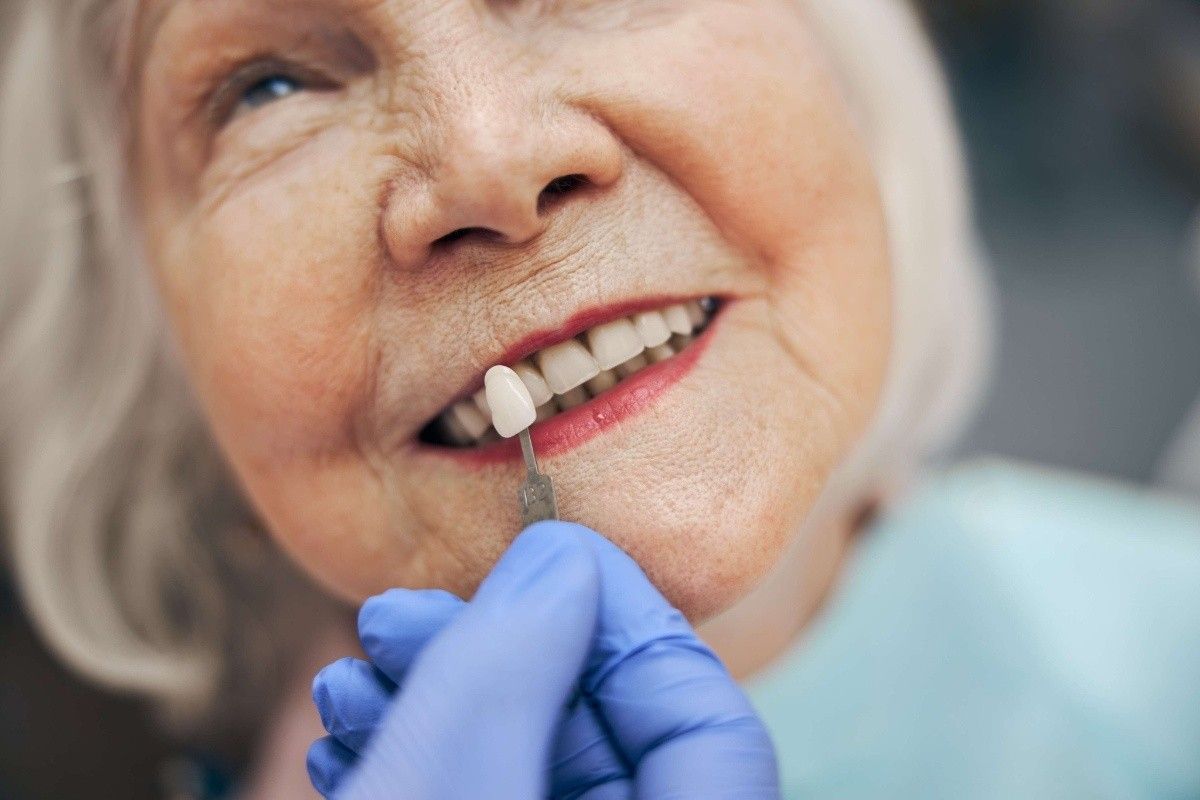
Dental veneers in Hartford, CT may be discussed for selected cosmetic concerns such as chips, worn edges, small gaps, uneven tooth shape, or deep discoloration on front teeth. Veneers are not right for every patient. Hartford patients should have an exam to check enamel, cavities, gum health, bite pressure, sensitivity, and existing dental work before choosing treatment. A dentist may also compare whitening, bonding, crowns, or other options.
A small change in the front teeth can affect how a smile feels. A chipped edge may catch attention. A gap may look wider in photos. Tooth color may not improve the way a patient hopes. Worn edges can also make teeth look shorter or uneven.
Patients asking about dental veneers in Hartford, CT often want to know whether veneers can improve shape, color, or balance. Veneers may be one option for selected teeth, but they should be planned carefully. For patients in Hartford and Berlin, a complete evaluation should come first so the dentist can check enamel, gums, bite pressure, old dental work, and the reason the concern developed.
What Veneers Are Designed to Do
Veneers are thin coverings placed on the front surface of selected teeth. They may be used to change tooth shape, size, color, or minor spacing when the tooth and gums are healthy enough.
They are most often discussed for visible front teeth. They do not replace missing teeth, treat gum disease, or fix every bite problem.
A good veneer plan should look at appearance and function together. Teeth still need to bite, chew, and stay clean after treatment.
Start With the Main Smile Concern
Before choosing treatment, patients should name what bothers them the most. Is it color, chips, gaps, worn edges, tooth size, uneven shape, or old dental work?
Different concerns may need different solutions. Whitening may help natural tooth color. Bonding may repair small chips. Crowns may protect weaker teeth. Veneers may help select front-tooth appearance concerns.
Choosing the right option starts with a diagnosis. The dentist should explain which treatment fits the concern and why.
Oral Health Comes First
A veneer discussion should begin with an exam. Cavities, gum inflammation, cracked teeth, heavy bite pressure, or active sensitivity can affect the plan.
A dentist in Hartford, CT may check out enamel, gums, X-rays when needed, bite contacts, and existing restorations before recommending cosmetic treatment. If a tooth is unhealthy or weak, a veneer may not be the best choice.
Treating health concerns first can help reduce complications and create a more stable foundation for appearance-focused care.
Cosmetic Planning Should Be Broader Than One Tooth
A patient may notice one tooth, but the full smile may involve several factors. Tooth color, gumline, lip movement, spacing, tooth shape, and old restorations can all affect the final look.
cosmetic dental care Hartford, CT may include whitening, bonding, veneers, crowns, replacement teeth, or a staged plan depending on the patient’s goals and oral health. The dentist should explain how each option fits into the bigger picture.
A staged approach may be helpful when several concerns are present.
Enamel and Tooth Structure Matter
Veneers usually need healthy enamel for support. Teeth with severe decay, large fillings, deep cracks, or very little enamel may need a different option.
The dentist may also check whether the tooth has enough structure and whether the gumline is healthy. A veneer placed on an unstable tooth may not be suitable.
Patients should ask how much tooth preparation may be needed and what alternatives exist.
Bite Pressure Can Affect Veneers
Grinding, clenching, or an uneven bite can place stress on front teeth. This can chip natural enamel, bonding, or veneers.
The dentist may look for worn edges, jaw soreness, chipped teeth, cracked restorations, or a history of broken dental work. These signs can affect whether veneers are recommended.
If bite pressure is a concern, the dentist may discuss protection, different materials, or another treatment path.
Color Planning Takes Care
Veneers can change the shade of selected teeth, but color planning should be done carefully. If a patient wants brighter surrounding teeth, whitening may need to happen before final shade selection.
Veneers, crowns, bridges, and fillings do not whiten like natural enamel. This means shade timing matters.
Patients should discuss whether they want a subtle change or a brighter look before treatment is finalized.
Veneers Are Different from Bonding
Bonding uses tooth-colored material to repair or reshape small areas. It may be useful for minor chips, small gaps, or edge repairs.
Veneers cover more of the front surface and may be considered for broader shape or color changes. They usually require more planning.
Neither option is best for every patient. The dentist may compare durability, maintenance, tooth preparation, cost only if provided by the office, and long-term goals.
When Crowns May Be Discussed Instead
A crown covers more of the tooth than a veneer. It may be discussed when a tooth is cracked, heavily filled, weakened, or needs more structural support.
If the main concern is appearance, but the tooth also needs strength, a crown may be more appropriate than a veneer. If the tooth is healthy and the concern is mainly front-surface appearance, a veneer may be considered.
The dentist should explain why one option fits better than another.
What to Expect at a Veneer Consultation
Before the appointment, patients should think about what they want to change and whether the concern is color, shape, chips, gaps, or worn edges. Photos may help explain preferences, but the dentist still needs to evaluate the mouth.
During the visit, the dentist may check teeth, gums, bites, enamels, sensitivity, and older dental work. Photos, shade discussion, X-rays, or scans may be recommended depending on the case.
After the evaluation, patients should understand whether dental veneers in Hartford, CT may be suitable, whether another option is better, and what should happen first.
Daily Care After Veneers
Veneers need regular brushing, cleaning between teeth, and routine dental visits. Patients should avoid using teeth to open packages, bite fingernails, chew ice, or bite hard objects.
If grinding is present, a protective appliance may be discussed. Patients should report chips, rough edges, bite changes, or sensitivity.
Good maintenance helps protect both the veneers and the natural teeth around them.
Benefits of Careful Veneer Planning
For suitable patients, veneers may help improve visible smile concerns in a planned way.
Patients may benefit from:
- Improved front tooth shape
- More even tooth edges
- Color improvement for selected teeth
- Help with small spacing concerns
- A planned smile appearance
- Review of bite before treatment
- Gum health checks before care
- Maintenance guidance after treatment
- These benefits depend on enamel, bite force, gum health, home care, and the treatment plan.
Local Patient Review
“I wanted to fix worn edges and a chipped front tooth. The dentist explained why my bite and enamel needed to be checked before deciding on treatment.”
A Natural-Looking Smile Plan Needs a Healthy Foundation
Veneers should be planned around tooth health, gum stability, bite pressure, enamel, shade, and long-term maintenance. Patients in Hartford and Berlin can visit Burnside Dental Care to discuss smile concerns and learn which cosmetic option may be suitable after a complete evaluation.
Frequently Asked Questions
Who may be suitable for this type of smile treatment?
A suitable patient often has healthy gums, enough enamel, no untreated decay, and cosmetic concerns that match this treatment.
Can this option fix every stain?
Not always. Some stains may respond to whitening, while others may need different cosmetic planning after an exam.
Will front teeth need preparation?
Some tooth preparation may be needed depending on the case. The dentist can explain what applies to your teeth.
Can chipped teeth be repaired another way?
Yes. Small chips may be treated with bonding in some cases, while larger or broader concerns may need another option.
Do gums need to be healthy first?
Yes. Gum inflammation or recession should be evaluated before appearance-focused treatment begins.
Can grinding affect the result?
Yes. Grinding or clenching can place stress on front teeth and restorations. Protection may be discussed.
Will whitening change restorations later?
No. Whitening affects natural enamel, not fillings, crowns, veneers, bridges, or implant restorations.
How can I maintain the result?
Brush, clean between teeth, attend regular visits, avoid biting hard objects, and follow any protection of guidance from the dentist.