


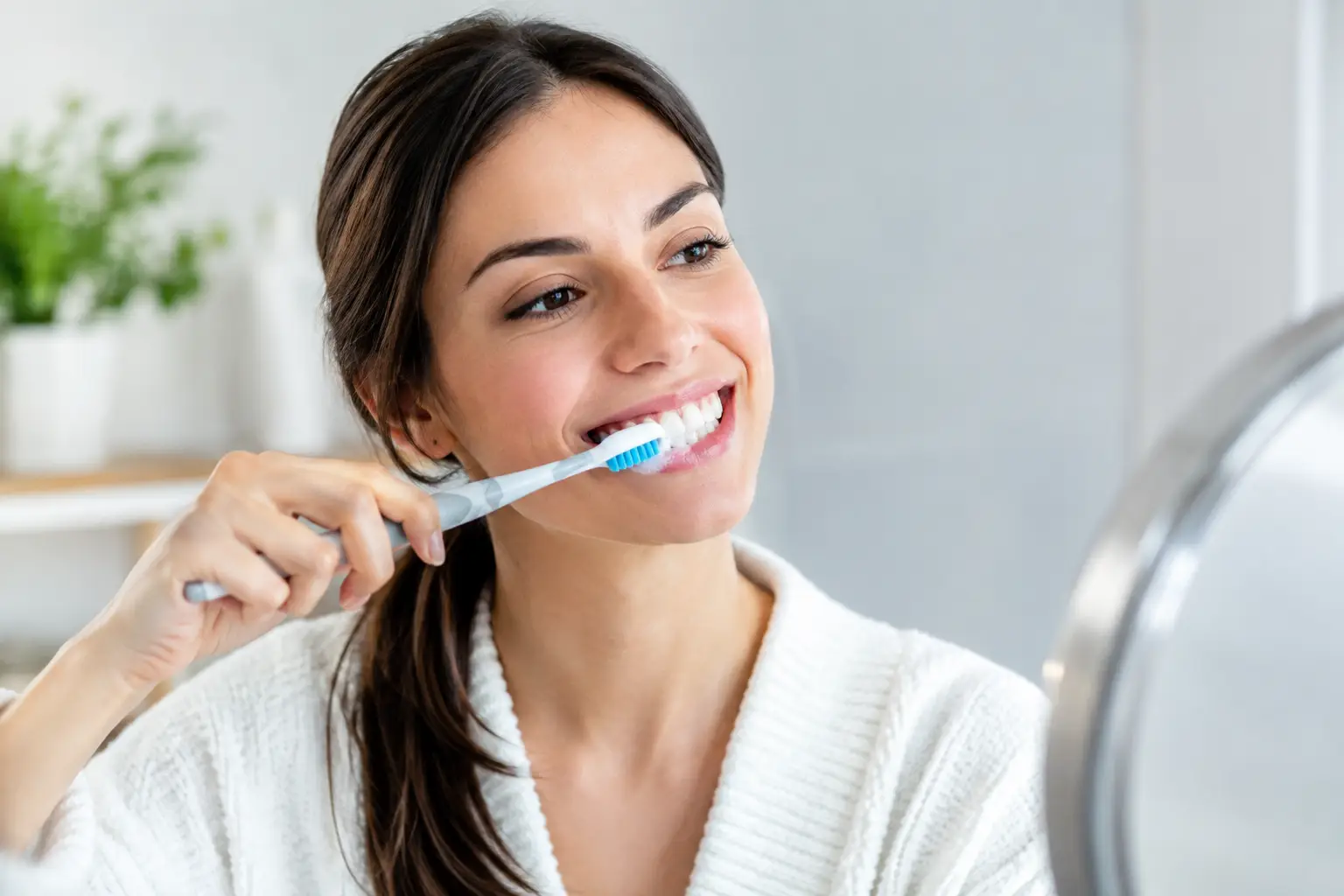
A cavity can begin quietly, long before it causes a toothache or becomes visible in the mirror. That is why preventing cavities between dental visits depends on the small choices you make at home: how you brush, what you sip throughout the day, and whether you clean the spaces your toothbrush cannot reach.
Regular exams and cleanings are still essential. They allow your dental team to remove hardened plaque, check for early decay, and spot concerns that may not hurt yet. But your day-to-day routine does most of the work to keep decay from forming in the first place.
Why cavities can form between appointments
Cavities develop when bacteria in plaque use sugars and starches from food and drinks to make acids. Those acids repeatedly weaken tooth enamel. If the process continues, a small weak spot can become a hole in the tooth.
This does not mean you have to avoid every sweet treat or carbohydrate. The bigger concern is frequency. Sipping a sweetened coffee over several hours, grazing on crackers all afternoon, or using cough drops repeatedly can keep teeth exposed to acid for much of the day. Your saliva needs time to help neutralize acids and support enamel recovery between meals.
Some people are also more cavity-prone than others. Dry mouth, certain medications, orthodontic appliances, gum recession, a history of frequent cavities, and reduced dexterity can all make home care more challenging. If any of these apply to you, a personalized prevention plan can make a meaningful difference.
Preventing cavities between dental visits starts at the gumline
Brushing twice a day with fluoride toothpaste is one of the most reliable ways to protect your teeth. Fluoride helps strengthen enamel and can help reverse the earliest stages of mineral loss before a cavity needs a filling.
Use a soft-bristled toothbrush and spend about two minutes brushing. Angle the bristles gently toward the gumline, where plaque tends to gather, and use small, careful motions rather than scrubbing hard. Brushing too aggressively does not clean better and may irritate gums or wear down exposed root surfaces over time.
For most adults and children who can safely spit, use a pea-sized amount of fluoride toothpaste. After brushing, spit out the excess but try not to rinse thoroughly with water right away. Leaving a light fluoride coating on the teeth gives it more time to work. Young children need help with both the amount of toothpaste and brushing technique, so parents should supervise until children can brush effectively on their own.
An electric toothbrush can be helpful, especially for people who rush through brushing or have limited hand mobility. A manual toothbrush can work just as well when used thoroughly and consistently. The best toothbrush is the one you will use correctly every day.
Flossing is not optional for cavity prevention
A toothbrush cleans the front, back, and chewing surfaces of teeth, but it cannot fully clean the tight contact points between them. Those areas are common places for cavities to develop.
Clean between your teeth once a day with floss, floss picks, a water flosser, or another device recommended by your dental team. Traditional string floss is very effective when it is wrapped gently around each tooth in a C shape and moved slightly below the gumline. Floss picks can be a practical choice for busy parents, teens, or anyone who finds string floss difficult to manage. A water flosser may be especially useful around bridges, implants, braces, or areas that trap food, though it may not replace floss in every situation.
A little gum bleeding when you first begin flossing can be a sign of inflammation from plaque buildup. Keep cleaning gently and consistently, but contact your dentist if bleeding continues, becomes heavy, or is accompanied by pain or swelling.
Make food and drink timing work for your teeth
You do not need a perfect diet to care for your smile. A few realistic adjustments can lower the amount of acid exposure your teeth receive.
Try to enjoy sugary foods or drinks with a meal rather than slowly snacking or sipping on them throughout the day. Drinking water afterward helps rinse away food particles and supports saliva. Plain water is the best everyday choice, particularly between meals and before bed.
Acidic drinks deserve attention, too. Soda, sports drinks, energy drinks, sweet tea, lemonade, and many flavored beverages can soften enamel, even when they do not taste extremely sweet. If you have one occasionally, finishing it in a shorter period is gentler on teeth than taking frequent small sips for hours. Using a straw may reduce contact with front teeth, but it does not make acidic beverages harmless.
After an acidic drink or food, wait about 30 minutes before brushing. Enamel can be temporarily softened by acid, and immediate brushing may add unnecessary wear. Rinsing with water is a better first step.
For snacks, choices such as cheese, yogurt with low added sugar, nuts when appropriate, vegetables, and fresh fruit are often easier on teeth than sticky candies, cookies, or crackers that cling in grooves and between teeth. The goal is not restriction. It is creating more tooth-friendly routines most of the time.
Do not overlook dry mouth and bedtime habits
Saliva is one of your mouth’s natural defenses. It washes away debris, helps neutralize acids, and supplies minerals that support enamel. When your mouth feels dry often, your cavity risk can rise.
Dry mouth may be related to medications, mouth breathing, dehydration, health conditions, tobacco use, or certain treatments. Frequent water sipping, sugar-free gum containing xylitol when appropriate, and alcohol-free mouth rinses may bring relief for some people. Because the cause matters, let your dentist know if dry mouth is ongoing, wakes you at night, or makes eating and speaking uncomfortable.
Bedtime is also a high-risk time for cavities because saliva flow slows while you sleep. Brush and clean between your teeth before bed, then avoid snacks, juice, soda, or sweetened tea afterward. Water is the best choice if you are thirsty. For infants and toddlers, avoid putting a child to bed with a bottle containing milk, juice, or any sweetened drink, as prolonged exposure can lead to early childhood decay.
Ask whether extra fluoride protection is right for you
Store-bought fluoride toothpaste is enough for many patients. Others may benefit from additional protection, such as a fluoride rinse, prescription-strength fluoride toothpaste, or in-office fluoride treatments. This can be particularly helpful for patients with dry mouth, exposed roots, braces, frequent cavities, or a history of extensive dental work.
More fluoride is not automatically better for everyone, especially for young children. Use products as directed and ask your dental team which options fit your age, cavity risk, and daily routine.
Dental sealants may also be worth discussing for children and teens, and sometimes for adults with deep grooves in their back teeth. Sealants create a protective barrier over the chewing surfaces where food and bacteria can settle. They do not replace brushing, but they can add another layer of prevention.
Pay attention to early warning signs
Cavities do not always hurt at first. Still, sensitivity to cold, sweets, or biting pressure can be a reason to call. So can food repeatedly getting caught in one area, a rough edge you can feel with your tongue, a dark spot, a broken filling, or persistent bad taste.
Do not wait for a toothache to become severe. Early decay may sometimes be managed with preventive care, while a larger cavity may require a filling or more extensive treatment. Prompt attention is usually more comfortable, less complicated, and easier on your schedule.
At Katz Family Dental Care, we know routines are not always perfect, especially for busy families. Your regular visits are a chance to talk honestly about what is getting in the way, whether that is sensitivity, a child who resists brushing, dry mouth, or simply a packed weekday schedule. Small changes made consistently can help keep your teeth healthy until we see you again.