


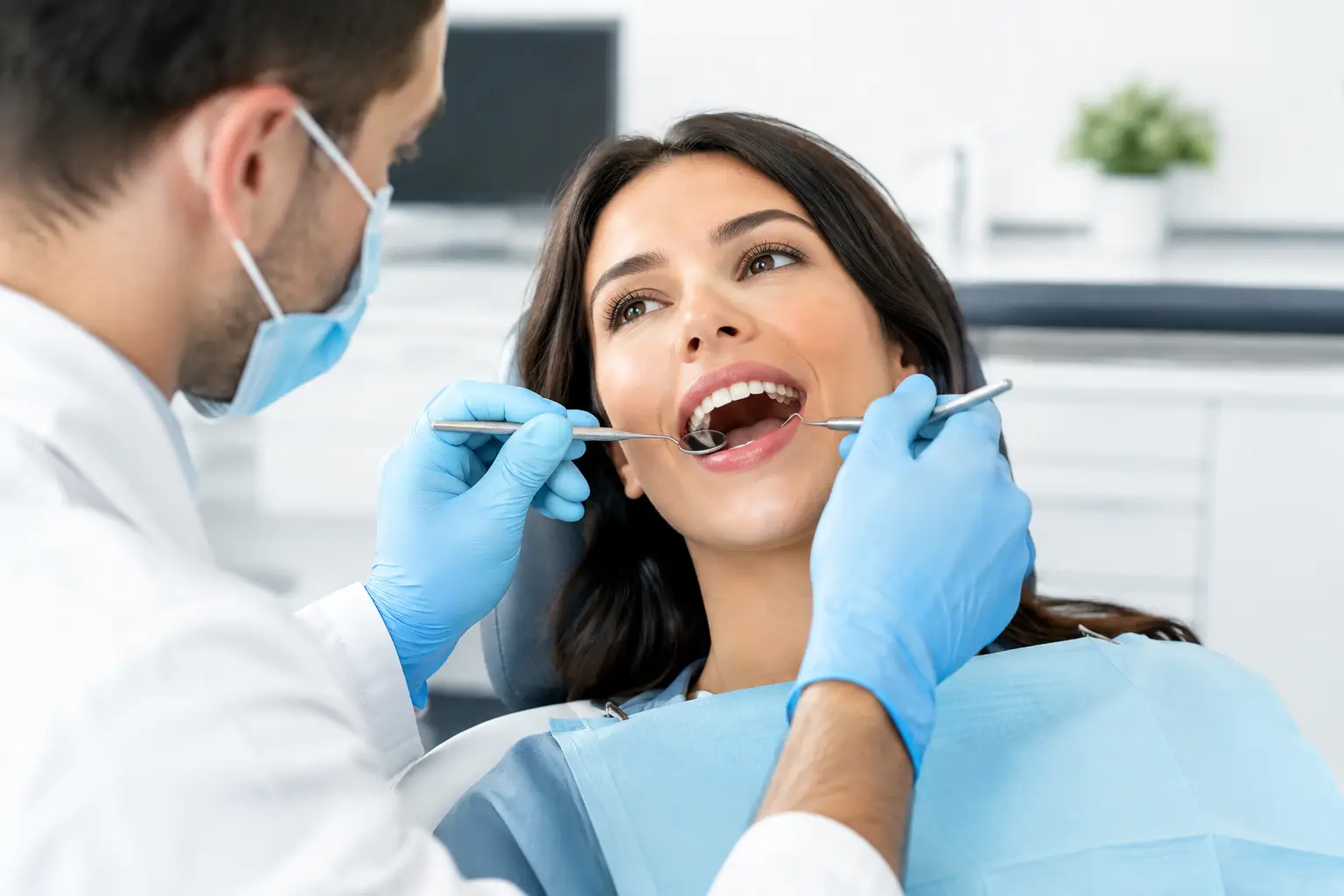
A routine dental checkup does more than help prevent cavities and gum disease. It also gives your dentist a chance to look for changes in your mouth, lips, tongue, and throat that may need attention. This guide to oral cancer screening explains what the exam involves, what signs to watch for at home, and how regular dental visits can support your overall health.
Oral cancer can affect people of many ages and backgrounds. Some people have well-known risk factors, while others do not. The goal of a screening is not to alarm you. It is to identify unusual tissue changes early, when evaluation and treatment may be simpler and more effective.
What is an oral cancer screening?
An oral cancer screening is a brief visual and hands-on examination of the tissues in and around your mouth. It is often part of a comprehensive dental exam and may be completed during a regular cleaning visit. Your dentist or hygienist looks for sores, patches, lumps, swelling, or other changes that do not appear normal.
The screening may include your lips, cheeks, gums, the roof and floor of your mouth, tongue, jaw, neck, and throat area. Your dental team may ask you to move your tongue in different directions or may gently feel beneath your jaw and along your neck for enlarged lymph nodes or unusual lumps.
Most screenings are quick and comfortable. You may not even realize each step is taking place, especially if it is part of your normal exam. Still, it is a meaningful part of preventive care because many oral changes are not painful in their early stages.
Why early evaluation matters
A mouth sore is common, especially after accidentally biting your cheek, eating sharp foods, or wearing a new appliance. Most minor injuries heal on their own. The concern comes when a sore, patch, lump, or area of discomfort remains for more than two weeks or continues to change.
Early oral cancer may look like a small red or white patch, a persistent ulcer, or an area that feels different from the tissue around it. It may not hurt. Because people often wait for pain before calling a dentist or physician, changes can go unchecked longer than they should.
A screening does not diagnose cancer. If your dentist finds an area that needs a closer look, they may recommend monitoring it for a short period, taking photographs, or referring you for further evaluation and possible biopsy. That follow-up is a precaution, not a conclusion. Clear next steps help patients get answers without guessing.
Signs that should not wait
Call your dental office or health care provider if you notice a mouth change that lasts longer than two weeks. It is especially wise to schedule an evaluation for:
- A sore, ulcer, or rough patch that does not heal
- A red, white, or dark patch inside the mouth or on the lips
- A lump, thickened area, swelling, or persistent tenderness
- Numbness in the lip, mouth, face, or tongue
- Ongoing difficulty chewing, swallowing, speaking, or moving the jaw or tongue
- A persistent sore throat, hoarseness, or feeling that something is caught in your throat
- Unexplained bleeding in the mouth or a denture that suddenly no longer fits comfortably
These symptoms can have many causes, including infection, irritation, dry mouth, gum disease, or a dental appliance that needs adjustment. That is exactly why a professional examination is helpful. It replaces uncertainty with an informed plan.
If you have trouble breathing, cannot swallow, have significant facial swelling, or are experiencing severe symptoms, seek urgent medical care right away.
Who should have oral cancer screenings?
Everyone benefits from having the mouth examined during regular dental visits. Oral cancer screenings are not only for people who smoke or use tobacco. Age, lifestyle, health history, and certain viral exposures can affect risk, but oral cancer can also occur in people without an obvious risk factor.
Risk can be higher for people who use cigarettes, cigars, pipes, chewing tobacco, or vaping products. Heavy alcohol use, especially alongside tobacco use, also raises risk. Exposure to human papillomavirus, or HPV, is associated with some cancers of the throat and back of the mouth. Frequent sun exposure can increase the risk of lip cancer, particularly for people who work or spend substantial time outdoors.
Your personal history matters, too. Previous oral cancer, a weakened immune system, long-term irritation, and increasing age may influence how closely a dentist follows a finding. Share updates about tobacco use, alcohol use, medications, medical diagnoses, and any changes you have noticed. Honest information helps your care team make appropriate recommendations without judgment.
What happens during the screening?
A screening usually begins with a conversation. Your dentist may ask whether you have noticed sores, pain, swallowing changes, numbness, or a lump in your neck. Let them know if a change has been present for weeks, even if it comes and goes.
Next, the dentist examines your face, lips, and neck. They will look inside your mouth using a light and may use gauze to gently hold and move your tongue so all sides can be seen. They may feel the tongue, cheeks, jawline, floor of the mouth, and neck with gloved hands.
The exam is generally painless. You might feel mild pressure when your neck or jaw is checked, but it should not be uncomfortable. If you are anxious about dental visits, tell your team at the beginning of the appointment. A caring office can explain each step, pause when needed, and help you feel more at ease.
Some practices may use additional screening tools or special lights for selected patients. These tools can highlight tissue changes, but they do not replace a careful clinical exam or a biopsy when one is needed. The best approach depends on your symptoms, risk factors, and what your dentist sees.
What you can check at home
Between appointments, take a moment occasionally to notice what is normal for your mouth. In good lighting, look at your lips, gums, cheeks, tongue, and the roof of your mouth. Pay attention to areas that look different, feel thicker, bleed easily, or do not heal as expected.
A home check is not a substitute for a professional screening. Some areas are difficult to see, and many mouth changes are harmless but look concerning to an untrained eye. Think of a self-check as a way to recognize changes early and know when to call.
It also helps to protect your oral health every day. Avoid tobacco products, limit alcohol, use lip balm with sun protection when outdoors, and keep up with brushing, flossing, and regular dental care. If you wear dentures, retainers, or other appliances, have them adjusted if they rub, cause sores, or no longer fit correctly.
How often should you be screened?
For many patients, an oral cancer screening is included in routine dental exams. The right visit schedule depends on your oral health needs, history of gum disease or tooth decay, and any risk factors or symptoms you have. Some patients benefit from more frequent visits, while others may follow a standard preventive schedule.
Do not wait until your next cleaning if you have a persistent sore or other concerning change. A focused evaluation can often be scheduled sooner. Bring a note about when you first noticed the change, whether it has grown or changed color, and whether anything makes it better or worse. If you have photographs that show how the area looked over time, those may also be useful.
At Katz Family Dental Care, patients can expect preventive visits to include attention to the whole mouth, not only the teeth. For families in Berlin, Hartford, and East Hartford, having a familiar dental team makes it easier to ask questions and address changes promptly.
Your mouth often gives early clues when something is not right. If a spot, sore, lump, or swallowing change has stayed around longer than two weeks, a simple call to schedule an exam is a practical next step toward reassurance and timely care.