


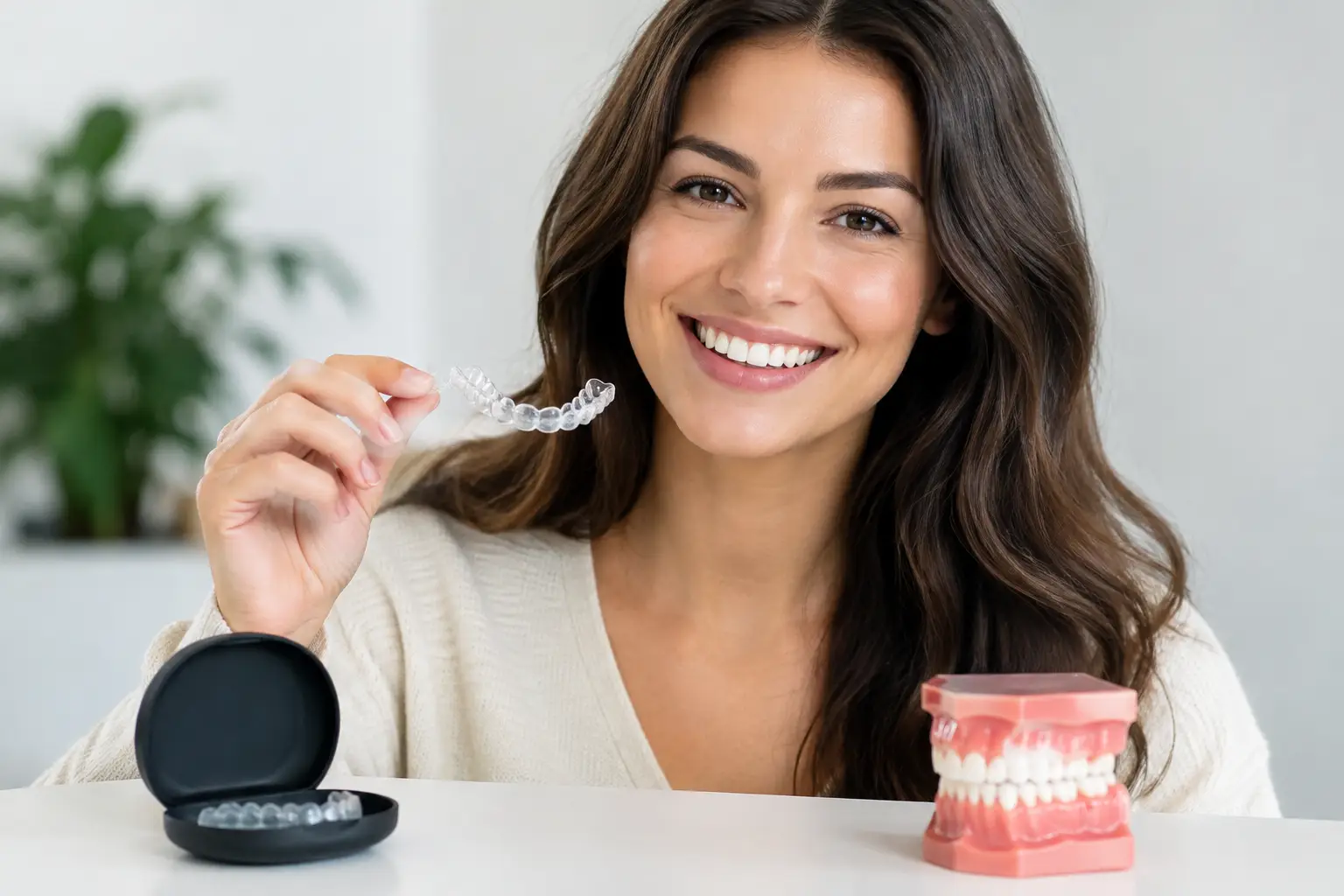
A straighter smile should fit your life, not make everyday life feel harder. An Invisalign braces comparison can help you look past the idea that one option is automatically better and focus on what works for your teeth, schedule, comfort, and treatment goals. For many adults and teens, the choice comes down to clear aligners versus traditional braces. Both can create meaningful improvements, but they ask different things of the patient.
Invisalign and Traditional Braces: The Basic Difference
Invisalign treatment uses a series of custom-made, clear plastic aligners. Each set is designed to guide teeth gradually into a planned position. You wear the aligners most of the day, remove them for meals and brushing, and change to a new set on the schedule your dentist provides.
Traditional braces use brackets attached to the teeth and a wire that applies steady pressure. The brackets may be metal or tooth-colored ceramic, depending on the treatment plan. Because braces stay in place throughout treatment, they work around the clock without relying on the patient to put them back in after every meal.
Both options are designed to correct concerns such as crowding, gaps, bite problems, and teeth that have shifted over time. The best choice depends on the complexity of the movement needed, the health of your teeth and gums, and how consistently you can follow the treatment instructions.
Invisalign Braces Comparison: Appearance and Comfort
For patients who feel self-conscious about orthodontic treatment, appearance is often the first consideration. Invisalign aligners are clear and sit closely over the teeth, so they are generally less noticeable in photographs, conversations, and professional settings. They are not invisible at every distance, and some patients will need small tooth-colored attachments to help move certain teeth. Still, clear aligners are often a discreet choice.
Traditional braces are more visible, even when ceramic brackets are used. Some patients appreciate being able to choose colored bands, particularly children and teens who want to make treatment feel more personal. Others prefer the lower-profile appearance of clear aligners.
Comfort is more individual than many people expect. Aligners have smooth edges and do not include wires or brackets that can rub against the cheeks and lips. However, each new set can create pressure or tenderness for a day or two. That feeling is usually a sign that the aligners are actively moving the teeth.
Braces can also cause pressure after adjustments. A wire or bracket may occasionally irritate the inside of the mouth, especially early in treatment. Orthodontic wax can help with sore spots, and your dental team can make adjustments if something is poking or broken. Neither option is entirely discomfort-free, but most patients adapt quickly.
The Daily Commitment Matters
Clear aligners offer flexibility, but that flexibility comes with responsibility. Invisalign aligners typically need to be worn about 20 to 22 hours a day. Removing them for meals, snacks, coffee, brushing, or a special occasion is convenient, but the aligners need to go right back in. Leaving them out too long can slow progress or affect the fit of the next set.
This can be a good fit for organized adults and responsible teens. It may be less practical for a younger child, someone who frequently loses small items, or anyone who knows they would struggle to maintain consistent wear. Treatment success depends on honest daily habits, not just the aligners themselves.
With traditional braces, the commitment is different. You cannot remove them, so treatment continues without daily decisions about wear time. The trade-off is that food choices and cleaning routines need more attention. Sticky candy, chewing gum, hard nuts, popcorn kernels, and similar foods can damage brackets or wires. Repairs may add inconvenience and, in some cases, extend treatment.
Eating and Brushing With Each Option
One of the most appealing parts of Invisalign treatment is that you remove the aligners to eat. There is no long list of foods to avoid, and you can continue enjoying crunchy fruits, corn on the cob, or an occasional piece of caramel as part of a sensible diet. Aligners should come out before eating and before drinking anything other than plain water. Sugary or dark beverages can become trapped against the teeth, increasing the risk of staining or decay.
Brushing and flossing are also more straightforward with removable aligners. You brush and floss normally, clean the aligners as directed, and place them back over clean teeth. This is helpful, but it does not replace regular preventive visits. Healthy gums and teeth are essential before and during orthodontic treatment.
Braces require a little more technique. Food can collect around brackets and under wires, so careful brushing after meals is especially helpful. Interdental brushes, floss threaders, or a water flosser may make cleaning easier. Families should plan for a learning period, particularly with younger patients, because keeping braces clean protects the teeth from white spots and cavities.
Which Problems Can Invisalign Treat?
Clear aligners can treat many common orthodontic concerns, including mild to moderate crowding, spacing, certain bite issues, and relapse after previous braces. Adults who had braces years ago and now notice shifting are often interested in this option.
That said, Invisalign is not automatically the right answer for every smile. Significant bite discrepancies, severely rotated teeth, teeth that need substantial vertical movement, or complex jaw-related concerns may be better treated with braces or a combination of approaches. In some cases, clear aligners can still be used, but the treatment plan may include attachments, elastics, or other features that make it more involved.
A professional evaluation matters because an online smile simulation cannot fully assess your bite, gum health, bone support, existing crowns or bridges, or signs of tooth grinding. Your dentist will examine the whole picture before recommending a path forward. If another approach would provide a more predictable result, you deserve to hear that clearly.
Treatment Time and Follow-Up Visits
Treatment time varies widely. Some people with minor alignment concerns may finish clear-aligner treatment in several months. More comprehensive cases can take 12 to 18 months or longer. Traditional braces follow a similar range, although complex cases may take more time.
Invisalign appointments are often scheduled every several weeks to monitor progress and provide the next sets of aligners. Because patients may receive multiple aligners at once, clear aligners can be convenient for busy working adults and families balancing school, sports, and appointments. But convenience only works when wear time stays consistent.
Braces usually require regular adjustment visits. Those appointments are a valuable part of treatment because the dental team can make controlled changes, check oral hygiene, and address loose brackets or wires. Neither choice should be treated as a quick cosmetic purchase. Orthodontic care is a guided process that needs follow-through.
Cost, Insurance, and Long-Term Value
The cost of Invisalign and braces can be similar, especially when treatment needs are comparable. Fees depend on the complexity of the case, the expected length of treatment, the materials used, and whether additional procedures are needed before treatment begins. A straightforward correction may cost less than a comprehensive bite correction, regardless of whether you choose aligners or braces.
Dental insurance sometimes includes orthodontic benefits, but plans vary greatly. Some policies have age limits, waiting periods, lifetime orthodontic maximums, or separate rules for adult treatment. It is wise to confirm your specific commercial insurance coverage before beginning. A dental office can help explain expected benefits, but final coverage decisions always come from the insurance company.
Ask about the full treatment estimate, what is included in the fee, possible costs for replacements or repairs, and the cost of retainers after treatment. Retainers are not optional extras. Teeth naturally have a tendency to shift, so wearing retainers as instructed helps protect the time and investment you put into your smile.
Choosing the Option You Can Actually Maintain
The strongest Invisalign braces comparison is not about which treatment looks more modern. It is about choosing the approach you can maintain consistently. If being able to remove your appliance for meals and important events would make treatment easier, clear aligners may be a comfortable fit. If you prefer a fixed option that works continuously and does not depend on remembering wear time, braces may bring more peace of mind.
At Katz Family Dental Care, patients can discuss Invisalign treatment as part of a complete dental evaluation, with attention to both smile goals and long-term oral health. The right recommendation should feel clear, never pressured.
A consultation is a practical first step when you are ready. Bring your questions, be honest about your routines, and let your dental team help you choose a treatment plan that feels manageable from the first aligner or bracket to the day your new smile is complete.