


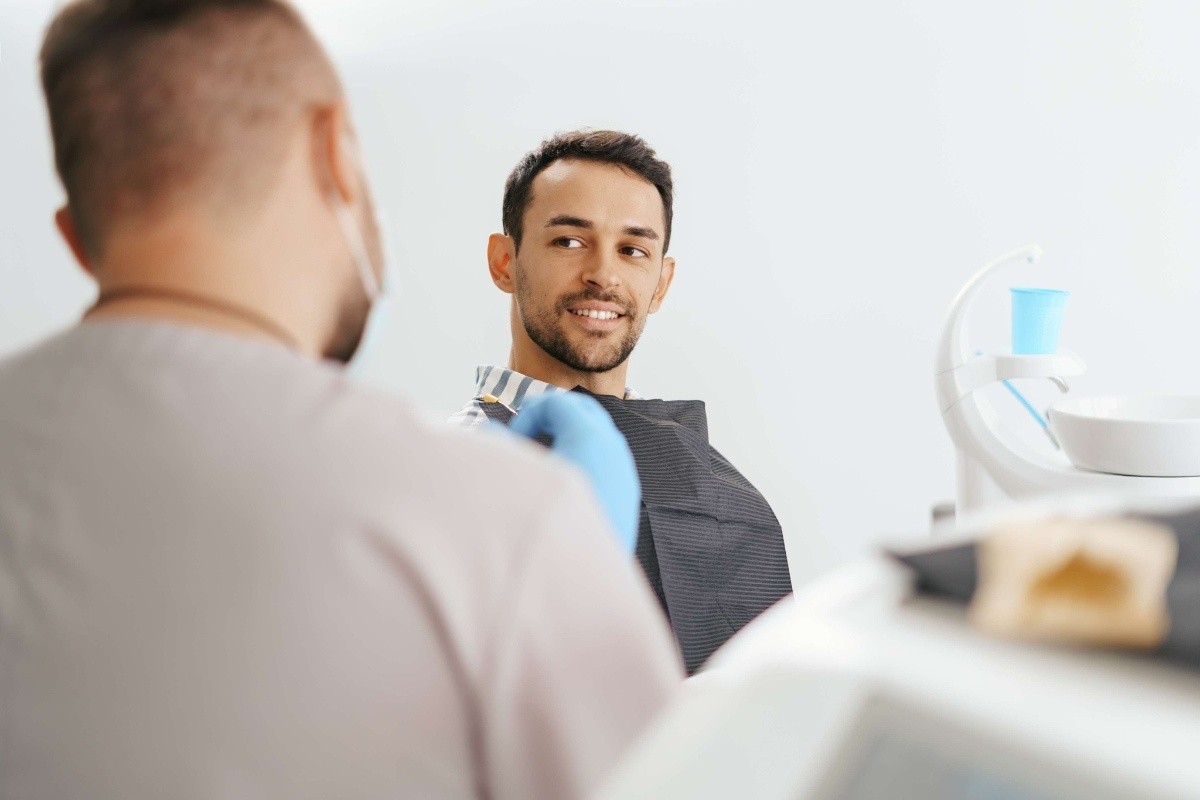
Invisalign can help suitable patients improve certain spacing, crowding, and bite concerns with removable clear aligners after a dental evaluation. Patients in East Hartford, Hartford, and Berlin should have gum health, cavities, enamel wear, old dental work, bite fit, jaw comfort, and daily tray habits reviewed first. Clear aligners work best when teeth are healthy enough to move; trays are worn as directed, and retainers are used after active treatment to help reduce shifting.
Clear aligners may seem like a simple way to straighten teeth, but tooth movement still needs careful planning. A patient in East Hartford may want crowded lower teeth to look more even. Someone in Hartford may notice small spaces that catch food. A person in Berlin may feel that teeth have shifted after earlier orthodontic care.
Before Invisalign, the dentist needs to check more than the visible alignment. Teeth move through bone and gum-supported tissues, so oral health matters. Cavities, gum inflammation, worn enamel, old fillings, crowns, bite pressure, and jaw comfort can all affect the plan. The first visit should help patients understand whether clear aligners may fit their needs, what limits may apply, and what daily habits are needed for treatment to stay on track.
Straight Teeth Still Need a Healthy Foundation
Tooth position is only one part of an aligner plan. The dentist also needs to know whether the teeth and gums are healthy enough for movement. Untreated cavities, gum disease, loose teeth, or broken restorations may need to care first.
For suitable patients, Invisalign can guide teeth through a planned series of small movements. Each tray is made to fit the teeth at a specific stage. If the mouth is not stable before treatment begins, the trays may not fit as expected.
A careful exam helps patients understand whether alignment is the main concern or whether other dental needs should be handled before movement starts.
Crowding Can Make Cleaning Harder
Crowded teeth can trap plaque in tight areas. Even a patient who brushes regularly may struggle to clean between overlapping or rotated teeth. Over time, this can lead to gum irritation, tartar buildup, or cavities between teeth.
Clear aligners may be discussed when crowding is mild to moderate, and the teeth can be moved safely. More complex crowding may need additional planning or another orthodontic approach.
Patients in East Hartford, Hartford, and Berlin should ask whether their crowding is mainly cosmetic, hygiene-related, bite-related, or a mix of concerns. That answer can shape the treatment recommendation.
Spacing Should Be Linked to a Cause
Small gaps may seem easy to close, but the cause of the spacing matters. Spaces can come from tooth size, gum health, missing teeth, tongue habits, bite pressure, or relapse after past braces.
Before invisalign treatment is recommended, the dentist may check whether the spaces are stable or changing. If the reason for the spacing is not addressed, the gaps may be more likely to return.
Some spaces can be improved with aligners. Others may need bonding, restorative care, retainer planning, or a different approach. The best plan starts with the reason, not only appearance.
The Bite Can Change the Plan
A patient may notice crooked front teeth first, but the dentist also checks how the upper and lower teeth meet. A deep bite, open bite, crossbite, overjet, or uneven contact can affect chewing, tooth wear, and jaw comfort.
A second part of invisalign treatment is deciding which bite changes are realistic with clear aligners. Some concerns may be suitable. Others may require more complex orthodontic care or referral.
Patients should ask what the trays are meant to improve and what may not fully change. Clear expectations can help prevent confusion later.
Aligners and Braces Work Differently
Patients comparing clear trays with traditional braces often want to know how daily life changes. invisalign aligners are removable, so patients can take them out for meals, brushing, and flossing. That flexibility can be helpful, but it also creates responsibility.
Braces are fixed to the teeth and work continuously, but cleaning around brackets and wires takes extra time. Clear aligners are easier to remove, yet they only work when worn as directed.
The better choice depends on the patient’s teeth, bite, habits, and treatment goals. A consultation can help compare the options realistically.
Daily Wear Is a Major Commitment
A second discussion of invisalign aligners belongs to the daily routine of conversation. Trays usually need to be worn for most of the day and removed for meals, brushing, flossing, and drinking anything other than water.
Leaving trays out too long can affect progress. Teeth may not track as planned, and later trays may feel too tight or fail to sit properly.
Patients should think honestly about work schedules, school, travel, meals, and social events. A busy routine can still fit clear aligner care, but the habit must be realistic.
Check-Ins Help Keep Progress on Track
During visits with an invisalign dentist, progress may be checked to see whether trays fit well, and teeth are moving as planned. The dentist may review attachments, gum health, bite changes, sore spots, and hygiene.
If a tray stops fitting correctly, patients should not force it or skip ahead without guidance. Poor fit can mean the teeth are not tracked as expected.
Check-ins help catch small concerns before they affect the full plan. They also give patients a chance to ask about wear time, cleaning, and comfort.
What to Expect at the Appointment
Before the visit, patients should think about what bothers them most: crowding, spacing, shifting, bite fit, cleaning trouble, tooth wear, or relapse after past orthodontic care. They should also share gum bleeding, jaw discomfort, grinding, old dental work, and any previous orthodontic history.
During a visit with Burnside Dental Care, the dentist may examine teeth, gums, bite, enamel wear, restorations, jaw comfort, and oral hygiene. X-rays, photos, scans, or impressions may be recommended based on the findings.
After the exam, patients should understand whether aligners may be suitable, what needs care first, and what daily responsibilities treatment would involve.
Retainers Are Part of the Result
A third mention of Invisalign belongs to the after-treatment conversation. Teeth can shift after active movement ends, even when the result looks good. Retainers help hold teeth in their new position.
The dentist will explain how often retainers should be worn and how they should be cleaned. Skipping retainer use can allow teeth to move back over time.
Retention should be treated as part of the plan, not extra detail. It helps protect the time and effort spent during aligner care.
Benefits of Careful Aligner Planning
For suitable patients, Invisalign may help improve certain spacing, crowding, tooth position, bite appearance, and cleaning access. Removable trays may also make eating, brushing, and flossing more flexible than fixed brackets.
The benefits depend on consistent wear, healthy gums, clean teeth, suitable tooth movement, and follow-up care. Some patients may need dental treatment before aligners begin.
A thoughtful plan helps patients understand both the possible improvements and the responsibilities involved.
Working With Guidance Throughout Treatment
A second visit with an invisalign dentist may help patients understand whether refinements are needed, how the bite is changing, and whether the trays are fitting as expected.
Patients in East Hartford, Hartford, and Berlin should ask how progress is checked, what signs should be reported, and how retainers fit into the final plan.
Clear guidance can make treatment easier to follow from the first tray to long-term maintenance.
Local Patient Review
“I wanted straighter teeth but did not realize my gums, bites, and older dental work had to be checked first. The visit helped me understand what clear aligner care would involve.”
Clear Aligner Care Starts with the Whole Mouth
Patients in East Hartford, Hartford, and Berlin can make more informed decisions about alignment when they review tooth position, bite fit, gum health, existing dental work, and daily habits together. Burnside Dental Care can clarify whether clear aligners are suitable for the smile and outline key considerations before starting treatment.
Frequently Asked Questions
Can clear aligners work for every smile?
No. Suitability depends on tooth position, bite fit, gum health, bone support, and treatment goals.
Do trays need to be worn most of the day?
Yes. They are usually removed for meals, brushing, flossing, and certain drinks.
Can I eat with trays in place?
No. Trays are usually removed for eating to avoid damage, staining, and trapped food.
Why do gums need to be healthy first?
Teeth move through supporting tissue, so gum inflammation or bone loss should be reviewed first.
Can crowns or fillings affect the plan?
Yes. Restorations may affect tray fit, grip, tooth movement, and treatment of sequencing.
What if a tray does not fit well?
The patient should ask the dental office for guidance instead of forcing the tray.
Are retainers needed afterward?
Yes. Retainers help hold teeth in their new position and reduce the chance of shifting.
What should I ask for the consultation?
Ask about suitability, bite goals, gum health, daily wear, cleaning, refinements, and retention.