


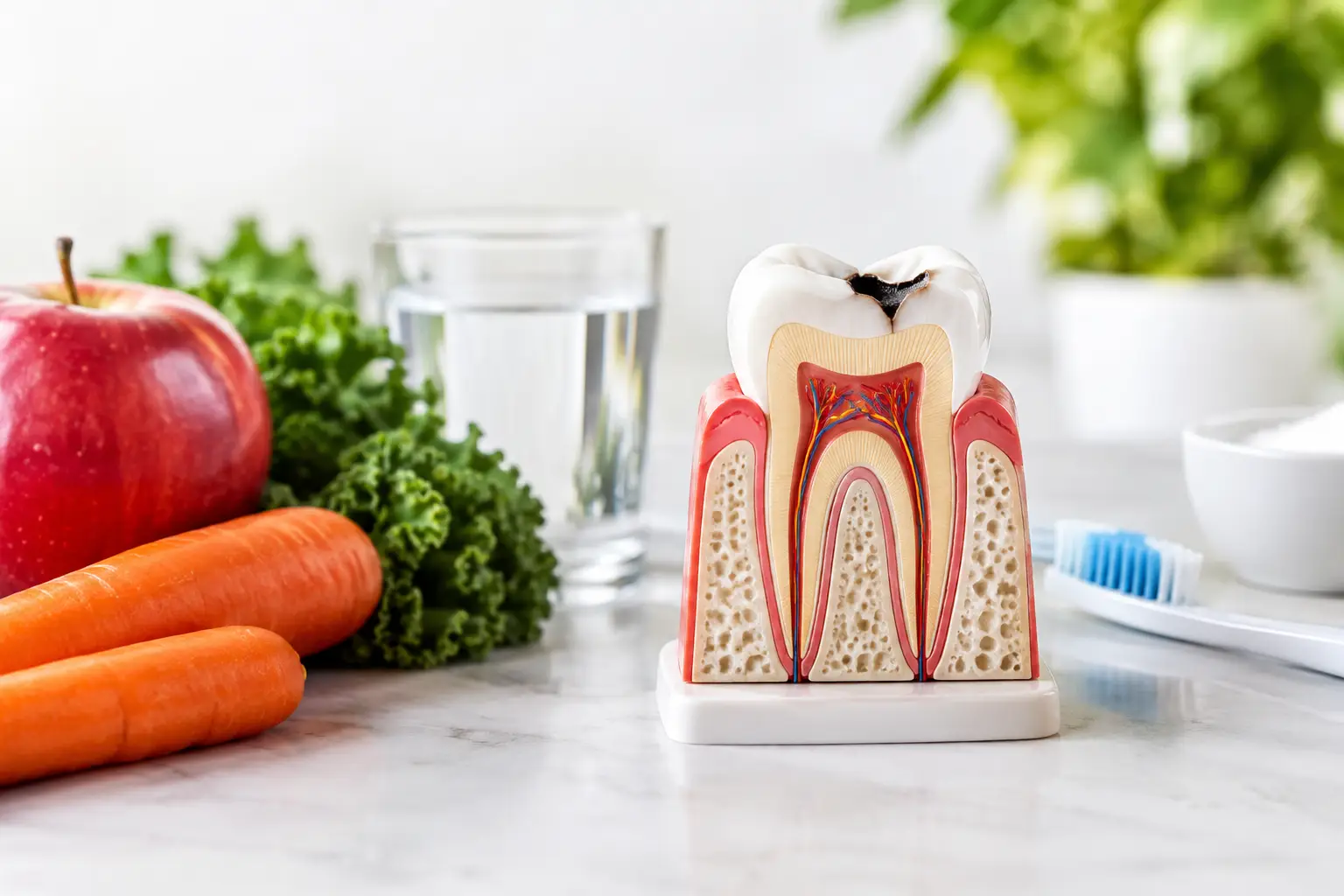
A small white spot near the gumline can be easy to miss. It may not hurt, and you may wonder: can cavities heal naturally if you brush more carefully or cut back on sweets? The honest answer depends on how far tooth decay has progressed. Very early enamel damage can sometimes be strengthened and stopped. A true hole in a tooth cannot grow back on its own.
That distinction matters because early care may help you avoid a filling, while waiting too long can allow decay to reach deeper layers of the tooth. At Katz Family Dental Care, we believe clear answers help families make confident decisions without unnecessary worry.
Can Cavities Heal Naturally in the Early Stages?
Tooth decay begins when bacteria in plaque use sugars and starches from food and drinks to create acids. Those acids pull minerals from the hard outer layer of the tooth, called enamel. At this point, you may see a chalky white area, especially along the gumline or around orthodontic brackets. This is often called early demineralization.
Enamel cannot repair itself in the same way skin heals after a cut. However, it can take minerals back in through a process called remineralization. Saliva, fluoride, calcium, and phosphate all play a role. When an early area of damage is detected, a dentist may recommend fluoride treatment, improved home care, changes in eating and drinking habits, and regular monitoring.
In practical terms, this means an early weak spot may become harder and less likely to progress. It does not mean the tooth has regenerated or that every mark will disappear completely. It means the decay process may be arrested before it becomes a cavity that needs restoration.
When a Cavity Cannot Heal Without Treatment
Once decay creates a physical opening in the enamel, home care cannot close it. Brushing, flossing, fluoride toothpaste, and a healthy diet remain essential, but they cannot rebuild missing tooth structure. The opening can trap more plaque and bacteria, allowing decay to continue beneath the surface.
As decay reaches dentin, the softer layer beneath enamel, it often moves more quickly. You may notice sensitivity to cold, sweets, or pressure, though some cavities still cause no symptoms. If bacteria reach the pulp, the living tissue inside the tooth, pain, swelling, or infection can develop. Treatment may then require a root canal, crown, or extraction rather than a simple filling.
A filling is not a failure. It is a conservative way to remove decayed material, seal the area, and help preserve as much healthy tooth as possible. Addressing a cavity while it is small is usually simpler, more comfortable, and less costly than waiting for pain to force an emergency visit.
Why pain is not a reliable warning sign
Many people assume they will know when a cavity needs attention. Unfortunately, tooth decay can progress quietly. Enamel has no nerves, so early damage often causes no discomfort. Even larger cavities may not hurt until they are close to the nerve.
Regular examinations and dental X-rays help reveal decay between teeth and beneath existing fillings, areas that are difficult to evaluate at home. Your dentist can also tell the difference between an active area of decay, a harmless stain, and an older area that has already stopped progressing.
What Helps Early Decay Slow Down
A few consistent habits can support enamel and lower the risk of future cavities. They work best as part of a personalized plan from your dental team, especially for children, adults with dry mouth, and people with a history of frequent decay.
Brush twice daily for two minutes with fluoride toothpaste. After brushing at night, spit out the excess toothpaste but avoid rinsing right away so fluoride can stay on the teeth longer. Clean between teeth once a day with floss or another interdental cleaner that fits comfortably.
The frequency of sugar exposure also matters. Sipping soda, sweetened coffee, juice, sports drinks, or flavored beverages throughout the day repeatedly exposes teeth to acid. Enjoying sweets or acidic drinks with a meal, rather than grazing or sipping over several hours, gives saliva time to help restore a healthier balance in the mouth. Water is the best everyday drink for teeth.
Fluoride is one of the most effective tools for strengthening enamel. Depending on your risk level, your dentist may recommend an in-office fluoride varnish, prescription-strength toothpaste, or a fluoride rinse. These recommendations are not the same for everyone. A child with new white spots, an adult with dry mouth from medication, and a patient with several fillings may benefit from different preventive approaches.
Natural Remedies Have Limits
It is understandable to look for a natural solution before scheduling treatment. Good nutrition, water, saliva, and careful daily cleaning all support oral health. But claims that oils, supplements, charcoal toothpaste, or home mixtures can heal a drilled-out cavity are not supported by dental evidence.
Oil pulling may leave the mouth feeling fresh for some people, but it does not remove a cavity or replace brushing with fluoride toothpaste. Charcoal products can be abrasive and may wear enamel over time. Acidic home remedies, including lemon-based mixtures, can further soften enamel. Avoid placing aspirin or other medications directly on a painful tooth or gum tissue, since this can cause a chemical burn.
If you prefer a more natural approach to prevention, ask your dentist what can safely fit into your routine. A nutrient-rich diet, less frequent added sugar, water, and consistent plaque removal are sensible foundations. They are most helpful before a cavity forms or alongside professional treatment, not as a substitute for repairing a damaged tooth.
What Happens at a Cavity Evaluation
A dental visit for a possible cavity is usually straightforward. Your dentist will ask about sensitivity, pain, past dental treatment, medications, and any changes you have noticed. They will examine the teeth and gums and may recommend X-rays if needed to look for decay that cannot be seen directly.
From there, the plan depends on the finding. An early non-cavitated area may be monitored and treated with preventive measures. A small cavity may need a tooth-colored filling. A larger or cracked tooth may need added protection with a crown. If decay has reached the nerve, root canal therapy may help save the tooth.
For parents, this is especially useful to remember: children may not describe sensitivity clearly, and baby teeth can develop decay quickly. Regular visits allow concerns to be caught early and give children a calm, familiar place to build healthy dental habits.
Do Not Wait for a Dental Emergency
Call a dental office promptly if you have a toothache that lingers, facial or gum swelling, fever, a broken tooth, pain when biting, or a bad taste that does not go away. These symptoms can signal infection or more advanced decay. Prompt care can relieve discomfort and protect your overall health.
If you are not in pain but notice a dark spot, white patch, rough area, food catching between teeth, or new sensitivity, schedule an examination soon. A simple evaluation can replace guesswork with a clear plan.
Your teeth do not need perfection to deserve care. Whether the next step is stronger prevention, a small filling, or treatment for a more serious problem, timely attention gives you the best chance to keep your natural teeth healthy and comfortable for years to come.