


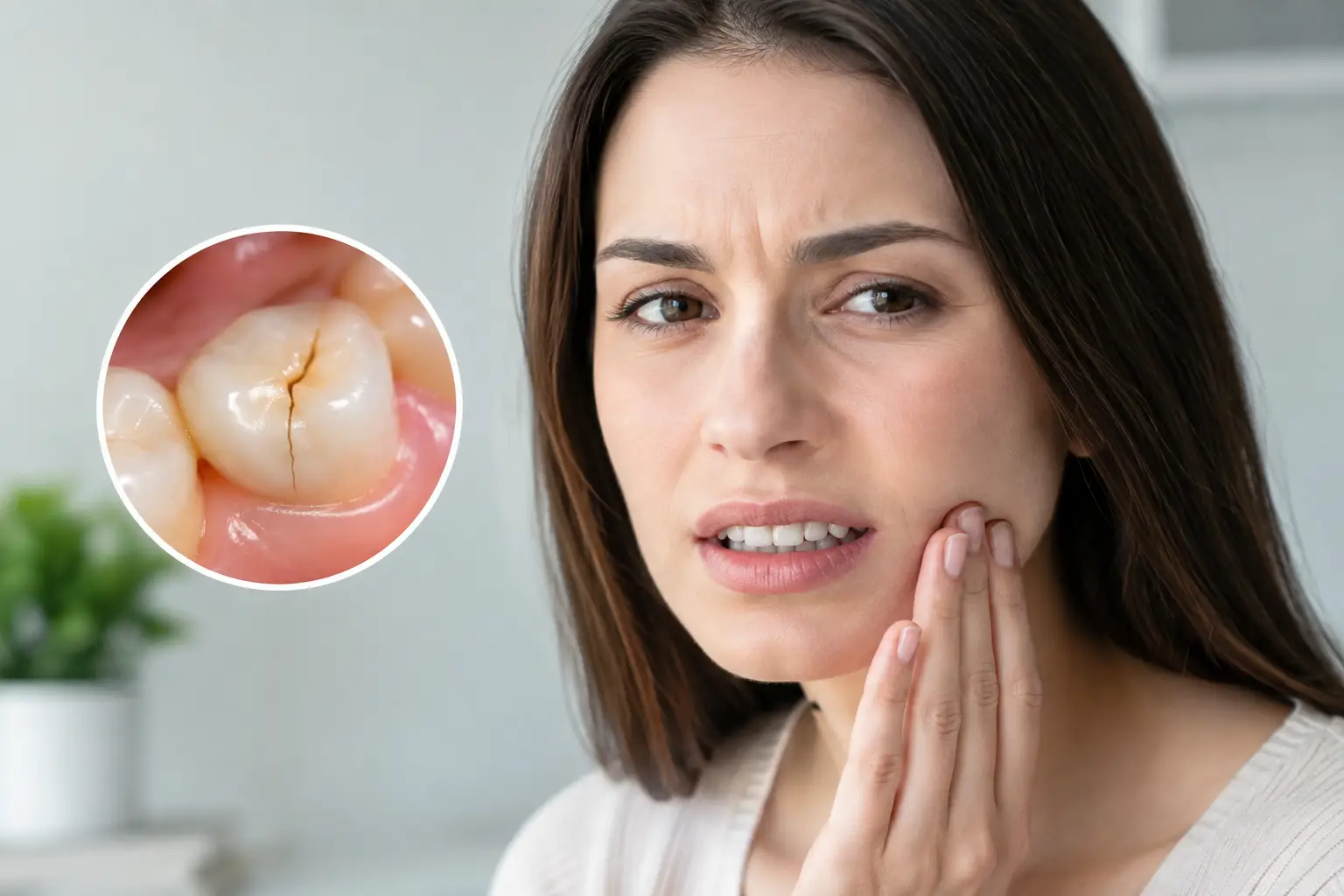
A tooth can crack while you are chewing dinner, biting into a hard candy, or clenching your teeth during a stressful week. Sometimes there is a sharp pain right away. Other times, the tooth only hurts when you release your bite or drink something cold. Prompt cracked tooth treatment matters because a small crack can deepen over time, allowing bacteria to reach the inner part of the tooth.
The reassuring news is that many cracked teeth can be protected and restored, especially when you are seen early. If you have new tooth pain, swelling, or a visible break, contact your dental office as soon as possible. A timely exam gives your dentist the best opportunity to preserve your natural tooth.
How to Tell if You May Have a Cracked Tooth
Cracks are not always easy to see. They can be tiny and sit below the gumline, while the tooth may otherwise look normal in the mirror. Pain also may come and go, which can make it tempting to wait. However, intermittent discomfort is still worth checking.
Common signs include pain when chewing, especially when you release pressure; sensitivity to cold, heat, or sweets; tenderness around one tooth; or a sharp edge that your tongue can feel. You may also notice that a tooth feels different when you bite down. In some cases, a piece of the tooth breaks away, but the remaining tooth does not hurt immediately.
Not every toothache means there is a crack. Cavities, gum inflammation, a loose filling, sinus pressure, and jaw clenching can cause similar symptoms. Your dentist can examine the tooth, review your symptoms, and take X-rays when appropriate. Because very small cracks do not always show on an X-ray, the exam may also include bite testing, magnification, or other clinical checks.
What to Do Before Your Appointment
Until you can be seen, try to protect the area rather than testing it repeatedly. Chew on the other side of your mouth and choose softer foods. Avoid ice, nuts, popcorn kernels, hard candy, and sticky foods that could put extra force on the tooth or pull at a damaged restoration.
Rinse gently with warm water and keep your normal brushing and flossing routine as comfortable as possible. If a piece has broken off, save it in a clean container and bring it to your appointment if you can. An over-the-counter pain reliever may help some adults, but use it only as directed on the label and based on guidance from your physician or pharmacist if you have medical conditions or take other medications.
Do not place aspirin directly on the tooth or gums. It will not repair the problem and can irritate oral tissue. Temporary dental repair products from a store may cover a rough edge, but they are not a substitute for an examination. Avoid using household glue or trying to file the tooth yourself.
Call for urgent dental care if you have facial swelling, fever, worsening pain, bleeding that will not stop, or a crack after a significant injury. These symptoms may require prompt attention. If facial swelling affects breathing or swallowing, seek emergency medical care right away.
Cracked Tooth Treatment Depends on the Crack
There is no single treatment for every cracked tooth. The right approach depends on the location, depth, and direction of the crack, as well as whether the tooth’s nerve has been affected. Your dentist will explain what can be saved, what treatment is recommended, and what to expect before moving forward.
Smoothing or bonding for a small chip
A minor chip in the enamel may only need smoothing, especially if it has created a sharp edge. For a small visible area, tooth-colored bonding material can often rebuild the missing portion. Bonding is conservative and can look natural, though it may not be the strongest choice for a larger fracture on a back tooth that handles heavy chewing forces.
A filling or crown to hold the tooth together
When a crack or broken cusp involves more of the tooth, a filling may be used if enough healthy structure remains. In many cases, a dental crown is the more protective option. A crown covers the tooth and helps hold it together, reducing the chance that pressure will cause the crack to spread.
Crowns are often recommended for teeth with larger fractures, old large fillings, or cracks caused by biting forces. They require more preparation than bonding, but they can provide lasting protection when the tooth is otherwise healthy enough to keep. Your dentist will discuss the material and timing that best fit your situation.
Root canal therapy when the nerve is involved
If a crack reaches the pulp, the soft tissue and nerve inside the tooth can become inflamed or infected. Persistent pain, severe temperature sensitivity, swelling, or a pimple-like bump on the gums can be signs that deeper treatment may be needed.
Root canal therapy removes damaged or infected tissue from inside the tooth, cleans the canal system, and seals it. The tooth is then commonly restored with a crown to protect it from future fracture. Root canal treatment is intended to save a natural tooth that might otherwise need to be removed.
Extraction and replacement when a tooth cannot be saved
Some cracks extend too far below the gumline or split the tooth into separate sections. In those situations, keeping the tooth may not be predictable or healthy. Extraction may be the recommended option.
If a tooth must be removed, replacement options can include a dental implant, bridge, or removable partial denture. The best choice depends on your oral health, bone support, nearby teeth, budget, and personal goals. Your dental team can help you understand the trade-offs, including treatment timing and the benefits of replacing a missing tooth.
Why Waiting Can Make Treatment More Complicated
A crack does not heal like a broken bone. Each time you bite, the two sides of the tooth can flex slightly, which may allow the crack to travel deeper. Bacteria can also enter through the damaged area. What begins as discomfort with chewing may eventually become nerve pain, infection, or a tooth that is no longer repairable.
That does not mean every small chip is an emergency. A painless cosmetic chip can often be scheduled appropriately. But a tooth that hurts when biting, reacts strongly to temperature, has lost a filling or crown, or has broken substantially should be evaluated promptly. Early care may mean a simpler restoration and a better chance of keeping your tooth.
Preventing Another Crack
Some cracks are caused by an unexpected bite on something hard, but repeated force is a common factor. Grinding or clenching can place significant pressure on teeth, particularly at night. If you wake with jaw soreness, headaches, or worn teeth, ask your dentist whether a custom night guard may help protect your smile.
It also helps to avoid chewing ice and using your teeth to open packages or cut thread. Keep up with regular checkups so older fillings, worn crowns, and early signs of tooth wear can be evaluated before they turn into a more urgent problem. For children and teens who play contact sports, a properly fitted mouthguard can reduce the risk of dental injuries.
A Calm, Clear Path Forward
Dental pain can make a normal day feel overwhelming, especially when you are unsure whether the tooth can be saved. You do not have to diagnose the crack on your own. Bring your symptoms, questions, and concerns to your appointment, and let your dentist explain the findings in plain language.
At Katz Family Dental Care, our warm-hearted team helps patients of all ages understand their options and receive coordinated care close to home. When you are with us, you are family. If a tooth feels cracked, sore, or different when you bite, scheduling an evaluation now can help protect your comfort and your natural smile.