


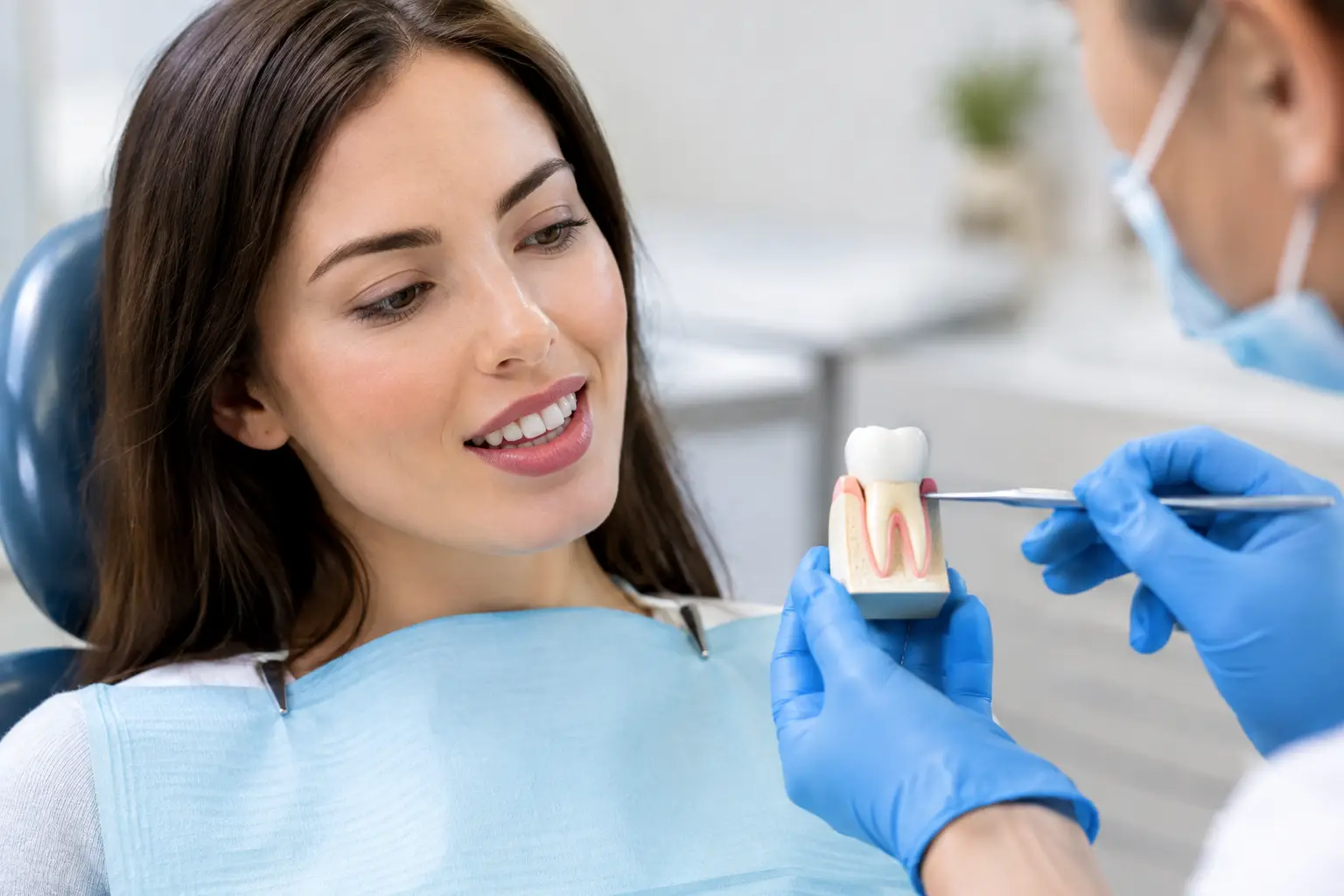
A tooth can break during dinner, a filling can come loose on the drive home, or a child can take a fall at practice. These emergency tooth repair examples can help you recognize what may be happening, protect your mouth in the moment, and know when to call for a same-day dental appointment. The goal is not to repair a tooth permanently at home. It is to relieve discomfort safely and give your dentist the best chance to preserve the tooth.
Emergency Tooth Repair Examples You May Experience
A chipped or broken tooth
A small chip may feel rough against your tongue but cause little or no pain. A larger break can expose sensitive inner tooth structure, making hot, cold, or sweet foods painful. If you can find the broken piece, place it in milk or saliva and bring it with you. In some situations, your dentist may be able to use it as part of the repair.
Rinse your mouth gently with warm water. If there is bleeding from the lip, cheek, or gum, apply light pressure with clean gauze. A cold compress on the outside of the face can help limit swelling. Avoid chewing on that side and cover a sharp edge with dental wax if it is rubbing your cheek or tongue.
The right repair depends on how much tooth structure is missing. A minor chip may be smoothed or restored with tooth-colored bonding. A more significant fracture may need a filling, crown, root canal treatment, or, when the tooth cannot be saved, extraction and a replacement plan.
A cracked tooth
Cracks are not always obvious. You may notice a sharp pain when biting down, pain that comes and goes, or sensitivity that seems difficult to pinpoint. Unlike a chip, a crack can travel beneath the gumline, and waiting may allow it to worsen.
Until you are seen, eat soft foods and avoid chewing on the affected tooth. Do not test the tooth by repeatedly biting down to see whether it still hurts. Your dentist will examine the tooth and may take X-rays to assess the area. Treatment can range from a protective crown to root canal therapy, depending on the depth of the crack and whether the nerve has been affected.
A lost filling or crown
A lost filling can leave a hollow area that catches food and reacts strongly to temperature changes. A crown that comes off may expose the prepared tooth underneath, which is often sensitive and more vulnerable to damage.
Save the crown if you have it, rinse it gently, and bring it to your appointment. Do not use household glue to put it back in place. It can irritate tissue, damage the restoration, and make proper treatment harder. Temporary dental cement from a pharmacy may help hold a crown briefly if your dental team advises it, but it is not a replacement for care.
Keep the area clean with gentle brushing and rinsing, and avoid sticky foods. Your dentist will determine whether the crown can be recemented or whether decay, fracture, or changes in the tooth require a new restoration.
A tooth that has been knocked out
A knocked-out permanent tooth is one of the most time-sensitive dental emergencies. Hold the tooth by the crown, which is the part normally visible in the mouth. Do not touch or scrub the root. If it is dirty, rinse it very briefly with milk or clean water.
If possible, gently place the tooth back in its socket and have the person bite on gauze to keep it in position. If that is not possible, store the tooth in milk or in the person’s saliva and seek emergency dental care immediately. Time matters, especially during the first hour.
Do not try to reinsert a baby tooth. Doing so can harm the developing permanent tooth underneath. Call a dentist promptly for guidance, even if your child seems comfortable after the injury.
A severe toothache or swelling
Tooth pain can come from a deep cavity, a cracked tooth, gum infection, or an abscess. Throbbing pain, facial swelling, fever, a bad taste in the mouth, or a bump on the gums can signal infection that needs prompt treatment. Rinse gently with warm salt water and use a cold compress outside the face for swelling.
Do not place aspirin directly on the gum or tooth. It can burn the soft tissue. Over-the-counter pain medicine may be appropriate when used exactly as directed and when it is safe for you medically, but it will not treat the source of infection.
Swelling that affects breathing or swallowing, swelling around the eye, a high fever, or uncontrolled bleeding requires immediate emergency medical attention. For other significant dental pain or localized swelling, call your dental office as soon as possible for an urgent appointment.
What Dentists Can Do to Repair an Emergency Tooth
Emergency dental care begins with identifying the cause of the problem, not simply covering the painful area. Your visit may include an examination, X-rays, and tests to check whether the tooth’s nerve and supporting bone have been injured.
For smaller damage, tooth-colored bonding or a filling can restore shape and function. A crown may protect a tooth that has lost a larger portion of its structure or has a substantial crack. If decay or trauma has reached the pulp inside the tooth, root canal therapy can remove the damaged tissue and help retain the natural tooth. When a tooth is beyond repair, an extraction may be the healthiest option, followed by a conversation about a bridge, implant, or another replacement option.
There is no one repair that fits every emergency. A crown that has fallen off may be a straightforward recementing visit, while the same crown can reveal decay or a fracture underneath. Clear answers after an exam help you make a confident decision based on comfort, health, timing, and long-term durability.
What to Do Before Your Emergency Appointment
The period between the injury and your visit matters. Keep the area clean, protect any sharp edges, and choose soft foods such as yogurt, scrambled eggs, soup that is not too hot, or pasta. Try not to chew with the injured tooth. If a filling or crown is missing, avoid gum, caramel, and other sticky foods that can pull at the area.
Call the office and describe what happened, when it happened, where the pain is located, and whether there is swelling, bleeding, or a loose tooth. If you have the tooth fragment or crown, let the team know. This information helps staff prepare for your visit and advise you on the next step.
At Katz Family Dental Care, emergency visits are approached with the same careful, family-centered attention as routine care. A prompt evaluation can often prevent a minor issue from becoming a more complex repair.
When a Repair Cannot Wait
Call for urgent dental care when a tooth is broken, loose, knocked out, severely painful, or causing swelling. A loose adult tooth after an injury should always be evaluated, even if it seems to settle down. Damage below the surface may not be visible at home.
It is also wise to schedule a prompt visit after any blow to the mouth, particularly for children. Teeth can develop discoloration, sensitivity, or nerve problems days or weeks after the original injury. Early documentation and follow-up give your dentist a clearer picture if symptoms appear later.
Dental emergencies are stressful, but you do not have to guess your way through them. Protect the tooth, avoid temporary fixes that could cause harm, and call for guidance. A calm, timely response can make a meaningful difference in preserving your comfort, your smile, and your natural tooth.