


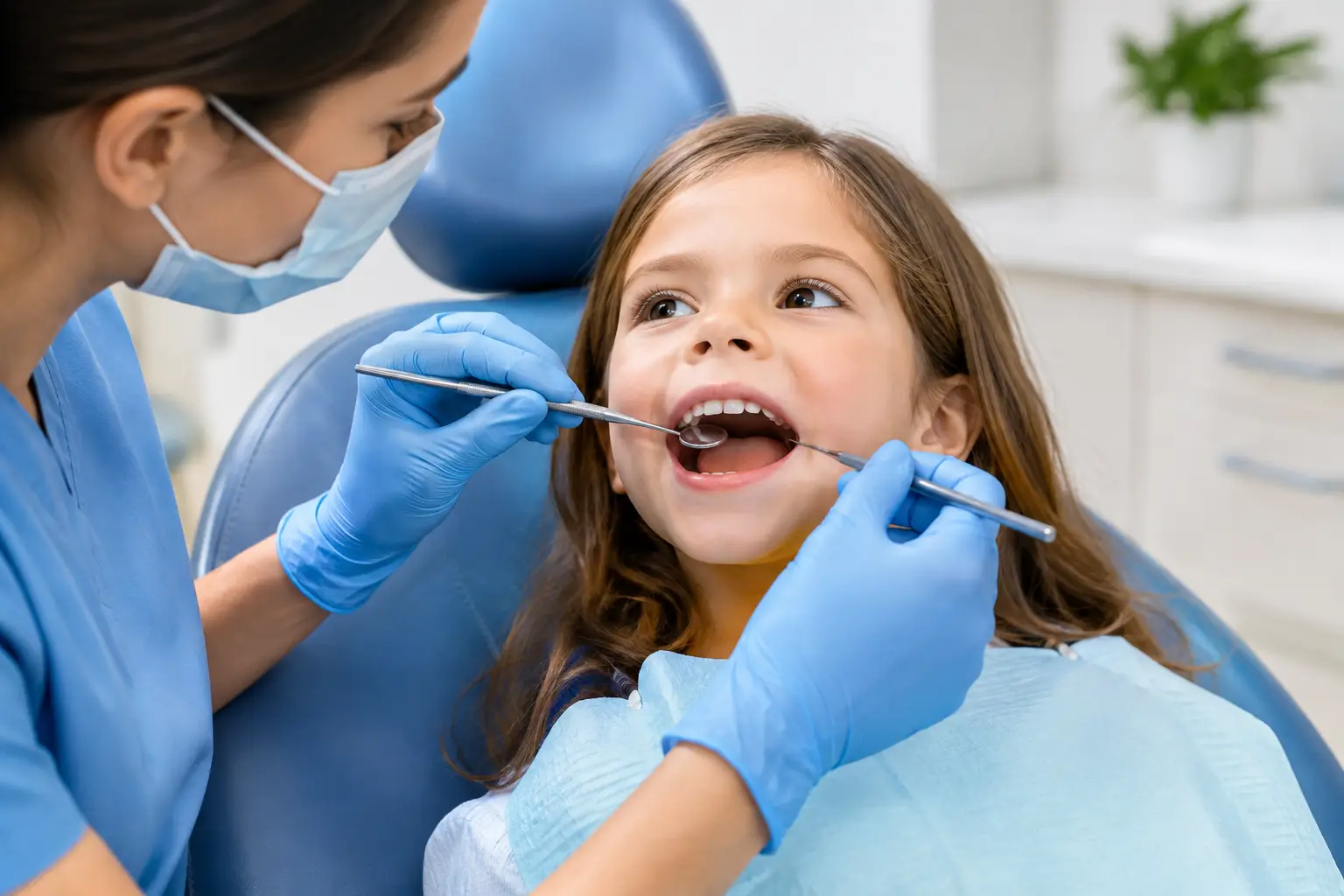
A playground fall, a sudden toothache at bedtime, or a chipped tooth during dinner can make any parent feel alarmed. This guide to pediatric dental emergencies is designed to help you take the next right step without panic. The goal is not to diagnose the problem at home. It is to protect your child, relieve discomfort when possible, and know when to call a dentist or seek urgent medical care.
First, make sure your child is safe
A dental injury can sometimes occur alongside a more serious injury. If your child has trouble breathing or swallowing, uncontrolled bleeding, loss of consciousness, vomiting, confusion, a suspected broken jaw, or a significant injury to the head or face, call 911 or go to the nearest emergency room right away.
If your child is alert and the injury appears limited to the mouth or teeth, stay calm and take a quick look. Have them rinse gently with water if they can do so safely. Apply gentle pressure with clean gauze to a bleeding area, and use a cold compress on the outside of the cheek to help limit swelling.
Then call your dental office. Describe what happened, when it happened, whether the tooth is a baby tooth or permanent tooth, and whether your child is in pain. Those details help the dental team guide you on how quickly your child should be seen.
A child’s knocked-out tooth needs fast action
A fully knocked-out permanent tooth is one of the most time-sensitive dental emergencies. Acting quickly can make a meaningful difference.
Find the tooth if you can, but pick it up by the crown, which is the white chewing surface. Do not touch the root. If it is dirty, rinse it briefly with milk or clean running water. Do not scrub it, wrap it in tissue, or remove any tissue attached to the root.
If your child is old enough to cooperate and can do so safely, gently place the tooth back into its socket and have them bite on gauze. If putting it back is not practical, keep the tooth moist in milk or have your child hold it inside their cheek only if there is no risk of swallowing it. A tooth-preservation container may also be used if one is available.
Call a dentist immediately and aim to be seen as soon as possible. Time matters, especially during the first hour after the injury.
Never put a baby tooth back in the socket
A knocked-out baby tooth should not be reinserted. Doing so can damage the developing permanent tooth beneath it. Save the tooth only if your dentist asks you to bring it in, control any bleeding with gauze, and call for guidance. Your dentist can check the area, evaluate nearby teeth, and discuss whether space maintenance or follow-up care is needed.
What to do for a chipped, cracked, or broken tooth
A chipped tooth may not always be urgent, but it still deserves a call to the dentist. Even a small break can leave a sharp edge that irritates the tongue or cheek, and deeper damage may not be obvious at first.
Have your child rinse gently with warm water. If you can locate the broken piece, place it in milk or clean water and bring it to the appointment. A cold compress can help if there is swelling. Avoid hard, crunchy, sticky, or very hot and cold foods until the tooth has been evaluated.
A larger fracture, severe sensitivity, visible pink or red tissue inside the tooth, or pain when biting should be addressed promptly. Depending on the injury, treatment may range from smoothing a rough edge or placing a filling to protecting the tooth with a crown. The best option depends on the tooth, the depth of the break, and your child’s stage of dental development.
Toothaches are not something to ignore
A toothache can begin with trapped food, a loose baby tooth, tooth decay, a cracked tooth, gum irritation, or an infection. The intensity of pain does not always show how serious the cause is, so a dental examination is the safest way to get answers.
Start by having your child gently brush and floss around the sore tooth. Food caught between teeth can cause surprising discomfort. Rinse with warm water, and use a cold compress on the outside of the face if there is swelling.
For pain relief, use an over-the-counter children’s medication only as directed on the label and according to your child’s age and weight. Ask a pharmacist or healthcare provider if you are unsure what is appropriate. Do not place aspirin, numbing gels, or other medicine directly on the tooth or gums. These products can irritate delicate oral tissues and do not treat the underlying cause.
Call the dentist promptly if pain continues, wakes your child from sleep, returns repeatedly, or comes with swelling, fever, a bad taste, or a pimple-like bump on the gums. Facial swelling, especially if it is spreading or affects breathing or swallowing, requires immediate medical attention.
When a tooth is loose or pushed out of position
Children often have loose baby teeth as part of normal development. A tooth that becomes loose after a fall, however, should be checked. Do not pull, twist, or try to straighten it at home.
A tooth that has been pushed inward, outward, or sideways may need prompt dental care. Your dentist may take X-rays and monitor the tooth, gently reposition it, or recommend treatment based on whether it is a baby or permanent tooth. Soft foods and careful brushing are usually helpful until your child is seen.
Cuts to the lips, tongue, and gums
Mouth tissues can bleed heavily even from a small injury, which can look frightening. Rinse away blood with cool water, then apply steady, gentle pressure using clean gauze or a clean cloth. A cold compress on the outside of the mouth can reduce swelling.
Call a dentist for gum injuries connected to a tooth injury or for cuts that do not stop bleeding with pressure. Seek urgent medical care for a deep cut, a cut that goes through the lip, a large tongue injury, or any wound that may need stitches. If a piece of tooth, a dental appliance, or another object may be lodged in the mouth or throat, do not probe for it.
A lost filling, crown, or orthodontic appliance
If an older child loses a filling or crown, save it if possible and call the dental office. The exposed tooth may be sensitive, so avoid chewing on that side and stay away from sticky foods. Do not use household glue to reattach a crown.
For a loose or poking orthodontic wire, orthodontic wax can cover the sharp end temporarily. If wax is unavailable, a small piece of clean gauze may help protect the cheek. Do not cut the wire unless a dental professional specifically instructs you to do so. If a wire is causing significant pain, has become embedded in tissue, or is affecting swallowing, seek immediate guidance.
Prepare before an emergency happens
Families are usually calmer in an emergency when they have a simple plan. Keep your dental office number saved in your phone, know which office can see your family most conveniently, and keep clean gauze and a cold pack at home. For sports with contact or fall risk, a properly fitted mouthguard is one of the most practical ways to reduce dental injuries.
Regular checkups also matter. They allow the dentist to identify cavities, weakened restorations, bite concerns, and other issues before they become painful surprises. If your child is anxious about dental visits, tell the team in advance. A caring, patient approach can make an urgent appointment feel much more manageable.
At Katz Family Dental Care, families in Berlin, Hartford, and East Hartford can turn to a warm-hearted team for clear guidance when a dental concern cannot wait. When you are with us, you are family, and your child deserves to feel safe, heard, and cared for from the first phone call onward.