


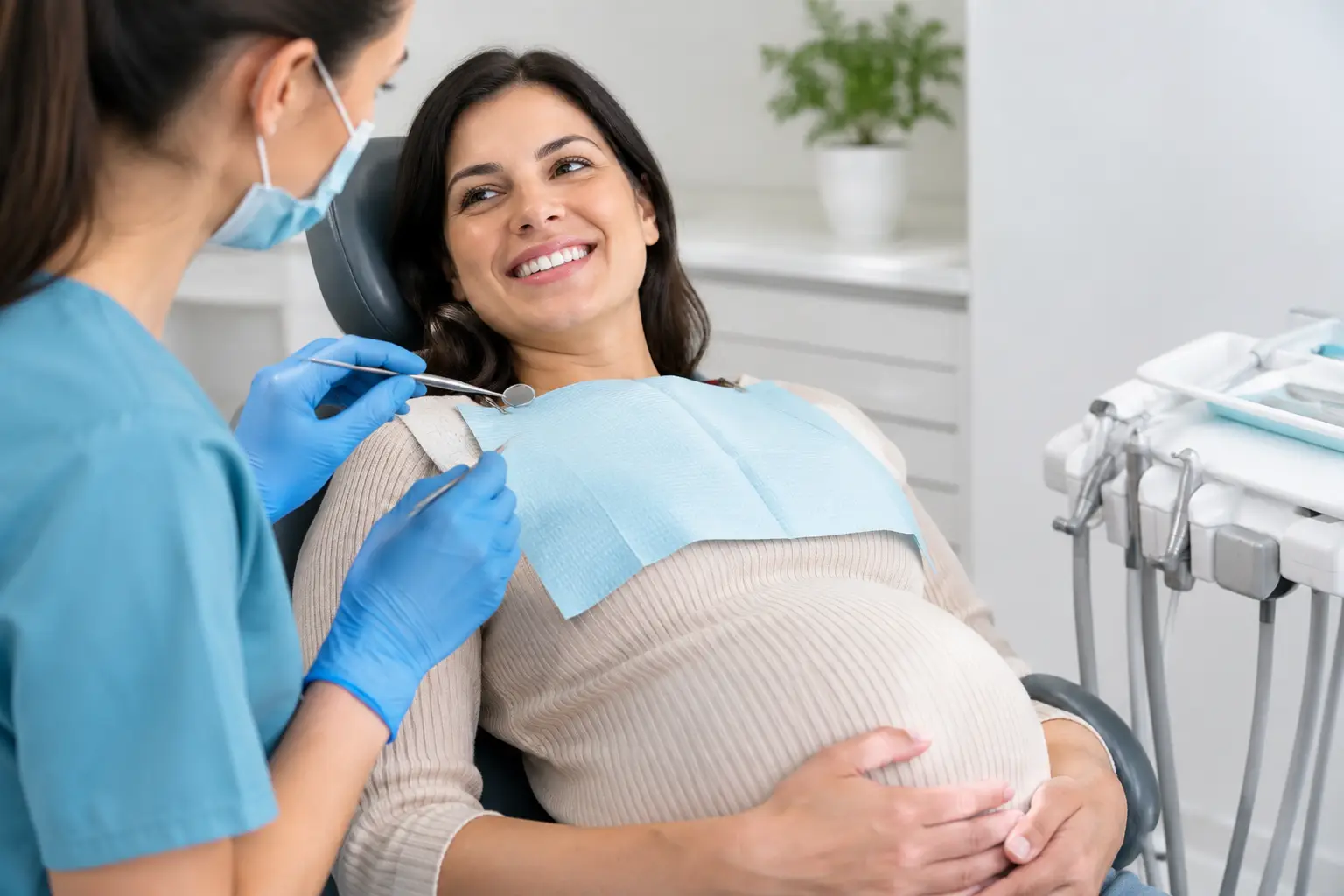
A positive pregnancy test can bring a long list of appointments, decisions, and changes to your routine. Dental care should stay on that list. This guide to pregnancy dental care can help you protect your comfort, your oral health, and your growing family’s well-being without adding unnecessary stress to an already busy time.
Pregnancy does not mean you have to put dental visits on hold. In fact, regular exams and cleanings can be especially valuable when hormonal changes make gums more sensitive. The best first step is simple: tell your dental team that you are pregnant, how far along you are, and whether your obstetrician has shared any special recommendations.
Why pregnancy can affect your mouth
Hormone changes during pregnancy can make gums react more strongly to plaque, the sticky bacterial film that collects along the teeth and gumline. Even patients who usually have healthy gums may notice tenderness, puffiness, bleeding while brushing, or persistent bad breath. This is often called pregnancy gingivitis.
Bleeding gums are common, but they are not a reason to stop brushing or flossing. Gentle, consistent cleaning is what helps reduce the inflammation. Left untreated, gum disease can become more serious, leading to gum recession, infection, and possible tooth loss over time.
Morning sickness can create another challenge. Frequent vomiting exposes teeth to stomach acid, which can soften enamel. Rinsing your mouth with plain water after vomiting is helpful. Wait about 30 minutes before brushing, since brushing immediately can rub acid across softened enamel. If nausea makes brushing difficult, try a smaller toothbrush head, a mild-flavored toothpaste, or brushing at a time of day when you feel better.
Cravings and frequent snacking can also increase cavity risk, particularly when sugary drinks, candies, or sticky snacks become a regular part of the day. You do not need a perfect diet to care for your teeth. Drinking water often, limiting how long sugary foods stay on your teeth, and choosing tooth-friendly snacks such as cheese, yogurt, nuts, vegetables, or fruit when possible can make a real difference.
Your guide to pregnancy dental care appointments
Routine preventive care, including exams and cleanings, is generally appropriate during pregnancy. A cleaning removes hardened buildup that brushing and flossing cannot remove at home, while an exam gives your dentist a chance to spot early concerns before they become painful or more complex.
Many patients find the second trimester to be the most comfortable time for non-urgent treatment because early pregnancy nausea may have eased and it is usually easier to sit back in the dental chair. Still, care should not be delayed simply because of the calendar. A broken tooth, swelling, infection, significant pain, or a lost filling needs prompt attention in any trimester.
At your visit, share the name of your obstetrician and a complete list of medications, vitamins, and supplements. Let the team know if you have a high-risk pregnancy, gestational diabetes, high blood pressure, severe nausea, or any pregnancy-related complications. This information allows your dental and medical providers to coordinate care thoughtfully when needed.
As pregnancy progresses, lying flat for a long appointment can make some patients feel lightheaded or short of breath. Ask for a pillow, a more upright chair position, or short breaks. Turning slightly onto your left side may also feel more comfortable. A compassionate dental team will adjust the visit around your needs.
X-rays, numbing medicine, and treatment decisions
Dental X-rays may be taken during pregnancy when they are clinically necessary. Modern dental imaging uses very low radiation, and your dental team follows protective protocols. If an X-ray can reasonably wait without affecting your health, your dentist may suggest waiting. If it is needed to diagnose pain, infection, trauma, or another urgent concern, postponing it may create a bigger problem.
Local anesthetic is commonly used for necessary dental treatment during pregnancy. Tell your dentist about your pregnancy before any procedure so the appropriate medication and dosage can be selected. If prescription pain medicine or antibiotics are being considered, your dentist may coordinate with your obstetrician, especially if your pregnancy is high risk or you take other medications.
Elective cosmetic procedures are different from treatment that protects your health. Teeth whitening and other nonessential services are often best postponed until after pregnancy, not because every option is known to be harmful, but because there is limited research and no need to add uncertainty. Necessary fillings, crowns, root canal treatment, or extractions should be considered based on your symptoms and diagnosis, not automatically delayed.
A daily routine that supports healthy gums
Your home routine does not need to be complicated. Brush twice a day with a soft-bristled toothbrush and fluoride toothpaste, taking time to clean gently along the gumline. Clean between teeth once a day with floss, floss picks, or another tool your dental team recommends. If your gums bleed, continue gently rather than avoiding the area.
A fluoride mouth rinse may be useful for patients with a higher cavity risk, but ask your dentist which type is right for you. Avoid starting medicated rinses or changing products solely because they are marketed for pregnancy. Practical, familiar care is often the most effective care.
If brushing triggers gagging, use a small amount of toothpaste and keep your head slightly forward. Some patients tolerate a bland toothpaste better than a strong mint flavor. Others find that brushing slowly in sections, rather than trying to finish all at once, makes the routine easier. Small adjustments are worthwhile if they help you stay consistent.
When to call the dentist right away
Pregnancy can make mild gum bleeding more likely, but certain symptoms should not wait for your next cleaning. Contact a dental office promptly if you have:
- A severe toothache, facial swelling, fever, or a bad taste that may signal infection
- A chipped, broken, loose, or knocked-out tooth
- Bleeding that is heavy, persistent, or accompanied by painful swollen gums
- A lost filling, crown, or bridge that causes pain or leaves a sharp edge
Dental infections can worsen quickly and may affect eating, sleeping, and overall health. Getting evaluated early is usually simpler and more comfortable than waiting until the problem becomes an emergency. If you are unsure whether a symptom can wait, call and describe what you are feeling. The office can help you understand the next step.
Planning for baby and beyond
Your own oral health supports the routines your child will learn later. Once your baby arrives, caring for your teeth can feel harder to schedule, so completing preventive visits and needed treatment during pregnancy may reduce one future source of worry. Keep up with cleanings after delivery as well, especially if pregnancy-related gum inflammation has been a concern.
When your child’s first tooth appears, begin gently wiping or brushing it with a soft infant toothbrush. A child should have a first dental visit by their first birthday or within six months of the first tooth coming in. Early visits are not just about checking teeth. They give parents practical guidance and help children become familiar with a dental office before a problem arises.
At Katz Family Dental Care, we believe clear answers and a caring approach can make dental visits feel easier at every stage of family life. If something in your mouth does not feel right during pregnancy, trust that instinct and reach out. A timely conversation with your dental team can bring reassurance, relief, and a plan that fits your needs.