


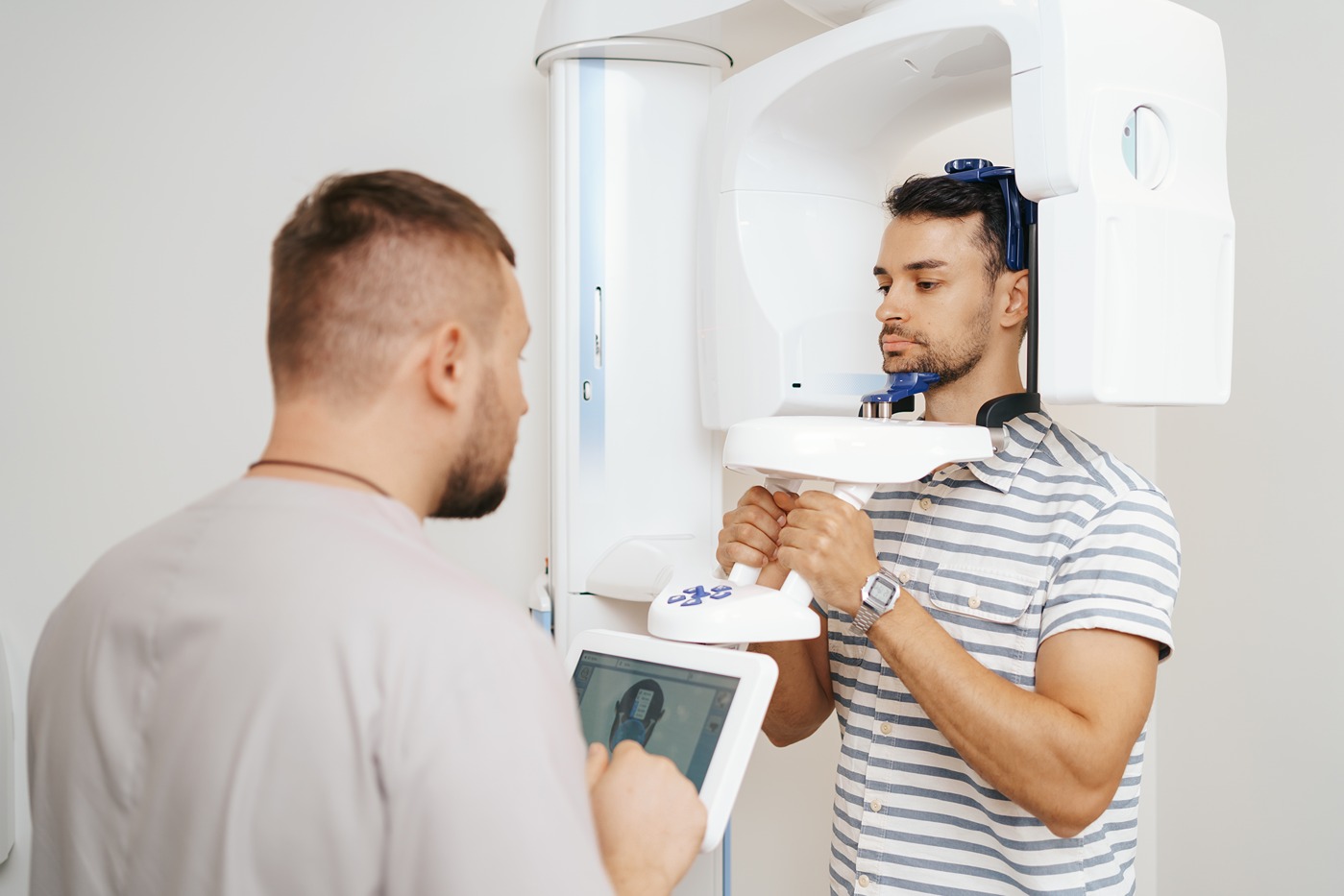
Dental health is closely connected to daily comfort, confidence, and overall quality of life. Healthy teeth and gums support eating, speaking, and smiling comfortably, yet many individuals delay seeking care until noticeable discomfort begins to interfere with normal routines.
Preventive dentistry plays a major role in reducing future complications. Regular evaluations allow clinicians to monitor subtle changes, identify concerns early, and recommend practical solutions before conditions worsen. Small concerns are often easier and less expensive to manage when addressed promptly.
Many people searching for the best dentist in Hartford, CT, are looking for more than just basic treatment. They often want personalized communication, consistent care, comfortable experiences, and treatment plans designed with long-term oral stability in mind rather than short-term fixes.
Dental care has also evolved significantly over time. Patients now expect a more collaborative experience in which questions are encouraged, and treatment decisions feel transparent and understandable.
Early Detection Often Simplifies Treatment
Dental issues frequently progress gradually. Cavities, enamel wear, gum irritation, and bite-related strain may develop quietly before becoming painful. Regular examinations help identify these problems while they are still manageable.
Preventive appointments also create opportunities to discuss lifestyle factors that influence oral health. Habits such as nighttime grinding, tobacco use, dietary choices, or inconsistent hygiene routines may contribute to long-term dental changes.
A skilled best dentist in Hartford, CT search often reflects a desire for continuity in care. Long-term relationships with a dental team may help patients feel more comfortable discussing concerns and maintaining regular appointments.
Cosmetic Dentistry Is Becoming More Personalized
Cosmetic treatment is no longer limited to dramatic smile transformations. Many patients now prefer subtle improvements that preserve natural appearance while enhancing balance, brightness, or alignment.
Whitening treatments, veneers, bonding, and clear aligners are commonly used to improve aesthetics while, whenever possible, maintaining healthy tooth structure. Customized planning allows cosmetic improvements to align with a patient’s overall oral health goals.
Some individuals prioritize appearance for professional confidence, while others simply want to feel more comfortable smiling in social settings. Regardless of motivation, cosmetic treatment today focuses heavily on achieving natural-looking results.
At Burnside Dental Care, conversations about cosmetic improvements may also include long-term maintenance, bite function, and the preservation of natural enamel whenever possible.
Gum Health Deserves More Attention Than It Often Receives
Healthy gums provide essential support for teeth and influence long-term oral stability. However, mild gum irritation is frequently ignored until symptoms become more noticeable.
Persistent bleeding while brushing, gum tenderness, or swelling may indicate early periodontal concerns. Addressing these issues early may help reduce the likelihood of advanced gum disease later.
Routine periodontal evaluations allow clinicians to monitor gum condition and identify subtle signs of inflammation before bone support becomes affected. Early intervention often leads to simpler treatment and improved comfort.
Individuals searching for the best dentist in Hartford, CT, may also value practices that emphasize preventive gum care and patient education rather than focusing only on restorative procedures after problems develop.
Restorative Dentistry Helps Preserve Function
Dental restorations are designed to repair damage while supporting comfort and daily function. Cracked teeth, cavities, worn fillings, and structural weakening can gradually affect eating, speaking, and overall oral stability.
Modern restorative materials are often selected for both durability and appearance. Tooth-colored fillings and natural-looking crowns help patients maintain a more seamless smile after treatment.
Restorative care is most effective when concerns are treated before severe structural damage develops. Delaying treatment may increase the likelihood of more complex procedures later.
Professional evaluations help determine whether symptoms such as sensitivity, discomfort while chewing, or recurring pain may require restorative attention.
Comfort and Communication Improve Patient Experiences
Dental anxiety affects many individuals regardless of age. Previous experiences, uncertainty about treatment, or fear of discomfort may discourage patients from scheduling regular visits.
Clear explanations and supportive communication can make appointments feel less intimidating. Understanding treatment steps often reduce stress and helps patients feel more involved in decision-making.
Many modern dental environments now prioritize patient comfort through calmer scheduling approaches, personalized pacing, and more transparent treatment discussions.
Daily Habits Still Influence Long-Term Results
Professional dental care remains important, but home routines continue to shape long-term oral health outcomes. Consistent brushing, flossing, hydration, and balanced nutrition all contribute to healthier teeth and gums.
Small habits maintained over time frequently have a greater impact than occasional intensive treatment alone. Preventive consistency helps reduce the likelihood of avoidable complications while supporting stronger overall dental stability.
Scheduling routine evaluations also provide reassurance that oral health changes are being monitored before larger issues arise unexpectedly.
Lasting Oral Health Begins with Consistent Attention
A healthy smile often supports confidence in both personal and professional settings. Beyond appearance, strong oral health contributes to comfort, communication, and daily well-being.
Preventive care, timely treatment, and personalized guidance all play valuable roles in maintaining healthier teeth and gums throughout life. Many people value Burnside Dental Care’s focus on patient-centered care and long-term health, helping them build sustainable oral habits and enhance daily comfort.
FAQs
How often should adults receive professional dental cleanings?
Most adults benefit from cleaning every six months, although some patients may require more frequent visits depending on their oral health needs.
Can cosmetic dentistry improve both appearance and function?
Yes. Certain cosmetic treatments may also strengthen teeth, improve alignment, reduce uneven wear, and enhance appearance.
What are the common signs of early gum disease?
Bleeding gums, tenderness, swelling, persistent bad breath, and gum recession are common warning signs that should be evaluated by a professional.
Why do some patients avoid routine dental visits?
Dental anxiety, busy schedules, financial concerns, or fear of discomfort may lead some individuals to postpone preventive care.
What should patients look for when selecting a dental practice?
Many people value clear communication, preventive focus, treatment transparency, and a welcoming environment when choosing a long-term dental team.