


A cavity can begin in a place you cannot easily see: the narrow contact point between two teeth. That is why knowing how to prevent cavities between teeth is about more than brushing the front and back surfaces. Daily cleaning between teeth, smart food and drink habits, fluoride, and regular dental visits all work together to protect the parts of your smile where decay often hides.
For busy families, the good news is that prevention does not need to be complicated. A few consistent habits can make a meaningful difference for children, adults, and older adults alike.
Why cavities form between teeth
Every mouth contains bacteria. When those bacteria feed on sugars and carbohydrates left behind after meals and snacks, they produce acids. Over time, acid can weaken tooth enamel and create decay.
The spaces where teeth touch are especially vulnerable because a toothbrush cannot fully reach them. Food particles and plaque can stay trapped there, particularly around crowded teeth, dental work, or areas where gums have begun to recede. A cavity between teeth may not hurt at first, which is one reason routine exams and X-rays are helpful. They allow your dental team to look for early changes before they become a larger restoration, toothache, or infection.
The daily habits that prevent cavities between teeth
Clean between your teeth every day
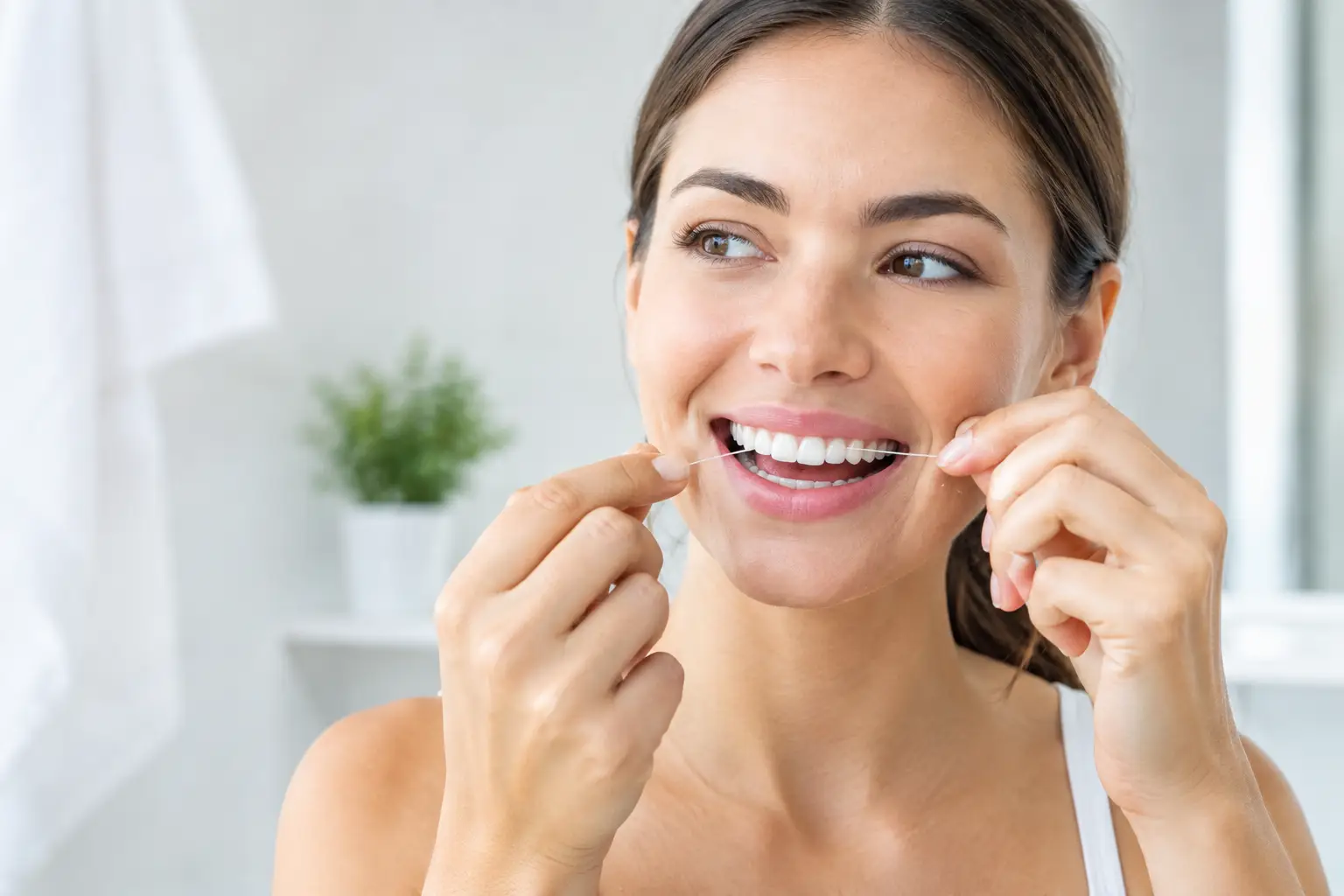
Flossing is one of the most direct ways to remove plaque from between teeth. Once a day is a practical goal for most people, and the best time is the time you will consistently do it. Many people find it easiest to floss before bed, when they can remove the buildup from the day before sleeping.
Use a gentle sawing motion to guide the floss through the contact point. Then curve it into a C shape against one tooth, slide it slightly below the gumline, and move it up and down a few times. Repeat against the neighboring tooth before moving on. Snapping floss forcefully into the gums can cause soreness and does not clean as effectively.
Traditional string floss works well for many patients, but it is not the only option. Floss picks can be useful for travel, children learning the habit, or anyone with limited hand mobility. Interdental brushes may be a better fit when there are wider spaces between teeth, braces, bridges, or gum recession. A water flosser can be a valuable addition, especially for implants or orthodontic appliances, but it should not automatically replace physical cleaning between tight contacts. The right tool is the one you can use correctly every day.
Brush twice a day with fluoride toothpaste
Brush for two full minutes in the morning and before bed using a soft-bristled toothbrush and fluoride toothpaste. Angle the bristles gently toward the gumline and use small, controlled motions. Brushing too hard does not make teeth cleaner and can irritate gums or wear away tooth structure over time.
After brushing, spit out the toothpaste but avoid rinsing right away if you can. Leaving a light coating of fluoride toothpaste on the teeth gives fluoride more time to support enamel. Young children need adult help and supervision with brushing, along with an age-appropriate amount of toothpaste. Your dentist can offer specific guidance for your child’s needs.
Do not overlook the gumline
Plaque often gathers where the teeth and gums meet. When gums are inflamed, they may bleed during flossing. This can be alarming, but light bleeding is commonly a sign that plaque needs to be removed more consistently, not a reason to stop flossing.
If bleeding continues after a week or two of gentle daily cleaning, or if gums are swollen, painful, or pulling away from the teeth, schedule an appointment. Gum health and cavity prevention are closely connected because healthy gums make it easier to keep tooth surfaces clean.
Food and drink choices matter more than many people realize
Sugar is not the only concern. The frequency of eating and sipping matters, too. Each time you have a sweet snack, soda, sports drink, sweetened coffee, juice, or even frequent crackers and chips, mouth bacteria can produce acid. Repeated exposure gives enamel less time to recover.
You do not have to avoid every favorite food to care for your teeth. Instead, try to keep sugary or starchy treats with meals rather than grazing throughout the day. Choose water between meals whenever possible. If you enjoy coffee or tea with sweetener, sipping it for several hours exposes teeth again and again. Finishing it with a meal or within a shorter window is generally kinder to enamel.
Sticky foods deserve extra attention because they can cling between teeth. Dried fruit, chewy candy, caramel, and some snack bars are common examples. Rinsing with water after eating can help, but it does not replace flossing later that day.
For children, frequent sippy cups or bedtime bottles containing milk, juice, or sweet drinks can raise cavity risk. Water is the best option between meals and overnight after teeth have been brushed. Families do not need perfection – consistent routines are what protect growing smiles.
Fluoride provides an extra layer of protection
Fluoride strengthens enamel and can help repair very early areas of mineral loss before a cavity fully forms. Most patients get fluoride through toothpaste and, depending on their community, drinking water. Some people need additional support, such as professional fluoride treatment or a prescription-strength product.
Your dentist may recommend extra fluoride if you have frequent cavities, dry mouth, exposed root surfaces, orthodontic appliances, certain medical conditions, or a diet that creates higher risk. This is one area where recommendations depend on the person. A child with no history of decay and an adult who has had several recent cavities may need different prevention plans.
Regular dental visits catch problems where you cannot see them
At-home care is essential, but even excellent flossers can have plaque buildup in hard-to-reach spots. Professional cleanings remove hardened deposits that brushing and flossing cannot remove at home. During exams, your dental team also checks for early signs of decay, gum concerns, worn fillings, and changes in your bite.
Bitewing X-rays are especially useful for finding cavities between teeth. These cavities can remain hidden until they become larger, so waiting for pain is not a reliable strategy. Early decay may sometimes be managed with preventive measures, while a deeper cavity may require a filling. Addressing it sooner usually means simpler treatment and helps preserve more natural tooth structure.
Your recommended visit schedule may be every six months, but it can vary based on your oral health history, gum health, medications, and cavity risk. If you have dry mouth from medication, for example, you may benefit from more frequent preventive care. Dry mouth reduces the protective effects of saliva, which normally helps rinse away food and neutralize acids.
Signs it is time to schedule an appointment
Cavities between teeth are often quiet at first, but do not ignore new sensitivity to cold, sweets, or biting pressure. Food repeatedly getting stuck in one area, a rough edge you can feel with your tongue, persistent bad breath, or floss that shreds in the same spot can also deserve a closer look.
Pain, swelling, or a toothache should be evaluated promptly. These symptoms do not always mean you have a cavity, but they are your mouth’s way of asking for attention.
At Katz Family Dental Care, our warm-hearted team helps patients of all ages build realistic prevention routines and understand what their smile needs. Whether you are teaching a child to floss, caring for a parent, or getting back on track with your own visits, small daily choices can protect the spaces between your teeth for years to come.
Tonight, take one extra minute to clean between your teeth. It is a simple habit, but it reaches the places your toothbrush cannot – and that makes it one of the most valuable things you can do for your smile.