


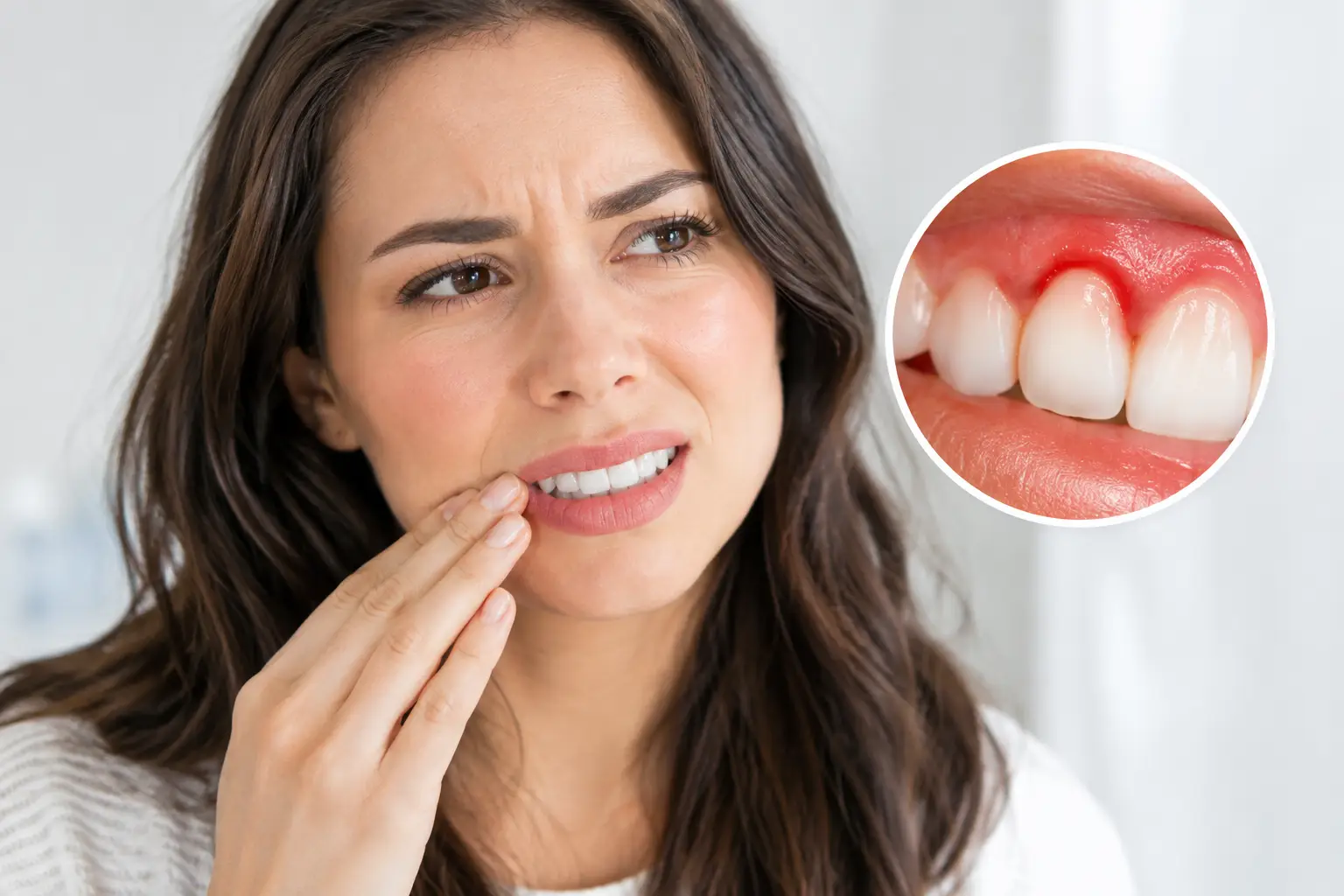
A little blood in the sink after brushing can be easy to dismiss, especially when mornings are busy or your gums do not hurt. But bleeding is one of the most common signs of gum disease, and it is worth bringing up at your next dental visit. Gum disease often starts quietly, then becomes more difficult to treat if it is allowed to progress.
The good news is that early gum disease can often be managed with professional care and consistent habits at home. Knowing what to watch for can help you schedule care before a small concern affects the health of your teeth, gums, and jawbone.
What Is Gum Disease?
Gum disease, also called periodontal disease, is an infection and inflammation of the tissues that support your teeth. It begins when plaque, a sticky film of bacteria, collects along and below the gumline. If plaque is not removed regularly through brushing, flossing, and professional cleanings, it can harden into tartar. Tartar cannot be removed with a toothbrush alone.
The earliest stage is gingivitis. At this point, gums may be red, swollen, or prone to bleeding, but the supporting bone has not yet been damaged. With timely treatment and better daily plaque removal, gingivitis can often be reversed.
When infection progresses to periodontitis, the gums can pull away from the teeth and pockets can form beneath the gumline. Over time, this may damage the bone and connective tissue that hold teeth in place. Periodontitis needs professional treatment to control the infection and protect your smile.
7 Signs of Gum Disease to Watch For
1. Gums that bleed when you brush or floss
Healthy gums generally should not bleed during routine brushing or flossing. Bleeding may occur if you have just started flossing after a long break, but it should improve as your gums become healthier. If bleeding continues for more than a few days, happens often, or occurs without brushing, schedule an exam.
Some medications and health conditions can also contribute to bleeding, which is another reason a dental team should evaluate the cause rather than assuming it is normal.
2. Red, swollen, or tender gums
Gums that are healthy tend to look firm and pale pink, although natural gum color varies from person to person. Inflammation can make gums appear darker red, puffy, shiny, or sore. You may notice tenderness when brushing near the gumline or eating certain foods.
Soreness does not always mean gum disease, but it should not be ignored if it persists. An exam can help determine whether plaque buildup, an irritated area, a dental appliance, or another concern is involved.
3. Ongoing bad breath or a bad taste
Everyone can have morning breath or temporary bad breath after coffee, garlic, or a dry mouth. Persistent bad breath that returns soon after brushing is different. Bacteria around and below the gums can produce odors and leave an unpleasant taste in your mouth.
Mouthwash may temporarily cover the smell, but it does not remove tartar or treat an infection below the gumline. Professional cleaning and a careful assessment are more useful next steps.
4. Gums that seem to be pulling away from your teeth
If teeth look longer than they once did, gum recession may be exposing more of the tooth surface. Recession can make teeth sensitive to cold drinks, sweets, or brushing. It can be connected to gum disease, though aggressive brushing, tooth grinding, tobacco use, and naturally thin gum tissue may also play a role.
Because the cause affects the treatment plan, do not try to solve recession by brushing less. A dental professional can show you the right brushing pressure and recommend care based on what is happening around your teeth.
5. New spaces, loose teeth, or a changing bite
As gum disease advances, the bone supporting the teeth may be affected. You may notice a new space between teeth, a tooth that feels slightly loose, or a change in how your teeth fit together when you bite. A partial denture that once felt comfortable may begin to fit differently as well.
These changes call for prompt attention. They do not always mean a tooth will be lost, but waiting can limit treatment options. Early evaluation gives your dental team the best chance to stabilize the condition.
6. Pus, sores, or swelling near the gumline
A pimple-like bump on the gums, drainage, facial swelling, or pus near a tooth can signal an infection that needs timely care. It may be related to gum disease, an abscess, or another dental problem. Do not squeeze the area or rely only on pain medication to manage it.
Call for a dental appointment as soon as possible. If swelling affects your breathing or swallowing, seek emergency medical care right away.
7. Teeth that are suddenly more sensitive
Tooth sensitivity can have many causes, including cavities, enamel wear, cracked teeth, and gum recession. When the gums recede or inflammation exposes sensitive root surfaces, cold air, cold beverages, and sweet foods can become uncomfortable.
Sensitivity is not a diagnosis by itself, but it is useful information to share at your visit. Let your dentist know which teeth hurt, what triggers the sensation, and whether it lingers after the trigger is gone.
Who May Need Extra Gum Care?
Anyone can develop gum disease, including people who brush every day. Risk can be higher for people who use tobacco, have diabetes, experience dry mouth, are pregnant, take certain medications, or have a family history of periodontal problems. Stress, inconsistent dental visits, crowded teeth, and dental restorations that are difficult to clean can also make plaque control more challenging.
This does not mean gum disease is unavoidable. It means your preventive plan may need to be more personal. Some patients benefit from more frequent cleanings, additional instruction on cleaning around bridges or implants, or a discussion about products that support dry mouth relief.
What Happens at a Gum Health Visit?
A dental examination is a practical, comfortable way to get clear answers. Your dentist or hygienist will look for visible inflammation, plaque and tartar buildup, recession, and areas that are difficult to clean. They may gently measure the space between your teeth and gums, called periodontal pockets, and take X-rays when needed to check the bone supporting your teeth.
Treatment depends on the stage and cause of the problem. Early gingivitis may improve with a professional cleaning and a more consistent home routine. If tartar and bacteria have collected below the gumline, a deeper periodontal cleaning may be recommended. Your team will explain what they find, why a treatment is suggested, and what you can expect at each step.
At Katz Family Dental Care, patients of all ages can receive preventive exams and cleanings along with care for many common dental concerns in one familiar practice. If you are anxious about treatment, say so. A caring team can explain the process, answer questions, and help you feel more at ease before care begins.
Daily Habits That Help Protect Your Gums
Brush twice a day with a soft-bristled toothbrush and fluoride toothpaste, using gentle circular motions at the gumline. Clean between your teeth once a day with floss, interdental brushes, or another option recommended for your smile. The best tool is one you can use correctly and consistently.
Regular cleanings matter because hardened tartar cannot be removed at home. If you smoke or use other tobacco products, reducing or stopping can make a meaningful difference for gum health and healing. Staying hydrated and managing dry mouth can help as well.
Do not wait for pain to schedule an appointment. Gum disease can cause significant damage before it becomes painful, while early treatment is usually simpler and more comfortable. If you have noticed bleeding, swelling, bad breath, recession, or any change in the way your teeth feel, give your gums the same attention you would give a toothache. A timely visit can protect the smile you rely on every day.