A five-star review can be reassuring, especially when you are tired of waking up tired. But sleep apnea appliance reviews are most useful when you read beyond ratings and look for details about fit, comfort, follow-up care, and whether the appliance was prescribed for the right condition. A device that helps one person sleep better may not be the best or safest answer for another.
For many adults, an oral appliance can be a comfortable, practical option for managing obstructive sleep apnea or persistent snoring. The right choice starts with a proper diagnosis and a conversation with a qualified dental and medical team – not a product claim alone.
What Sleep Apnea Appliance Reviews Can Tell You
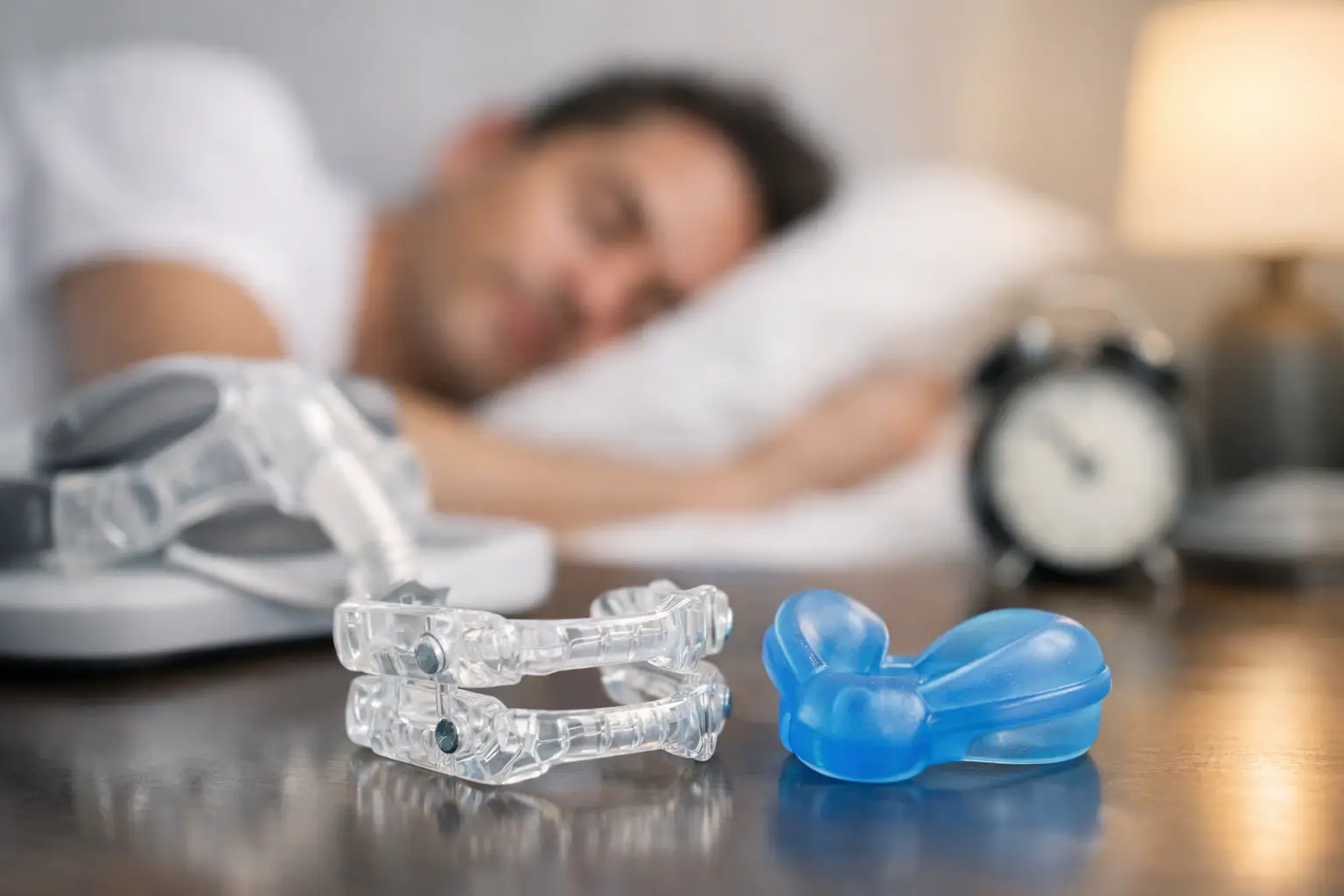
Most sleep apnea oral appliances work by gently moving the lower jaw forward while you sleep. This helps keep the airway more open, reducing the tissue collapse that can cause breathing pauses, loud snoring, and disrupted rest. These devices are often called mandibular advancement devices or oral appliances.
Reviews can give you a useful picture of the everyday experience. Patients often describe whether they can sleep on their side, speak briefly with the appliance in, travel with it easily, or tolerate it through the night. Those real-life details matter because treatment only works when it is used consistently.
At the same time, reviews cannot confirm whether an appliance is treating sleep apnea effectively. Feeling less tired or hearing fewer comments about snoring is encouraging, but it does not necessarily show that breathing interruptions have been adequately controlled. Follow-up testing may be needed to confirm how well treatment is working.
When reading reviews, look for specific observations instead of broad statements like “it changed my life.” Helpful reviews explain how long adjustment took, whether the device was custom-made, how often it needed adjustment, and how the provider responded to concerns.
The Difference Between Custom and Store-Bought Devices
Not every device marketed for snoring is a medical sleep apnea appliance. This distinction is one of the most important things to keep in mind.
A custom oral appliance is made from impressions or digital scans of your teeth. It is designed to fit your bite and allow controlled adjustments to the jaw position. A dentist trained in sleep apnea treatment monitors the appliance over time, helping manage fit changes, jaw discomfort, tooth movement, and bite changes.
Store-bought, boil-and-bite devices are less expensive at first and may have plenty of enthusiastic reviews. Some people find them useful for occasional snoring. However, they can be bulky, difficult to keep in place, and less precise in how they move the jaw. They also do not replace an evaluation for sleep apnea.
A low-cost device may be tempting if you are exhausted and want relief quickly. The trade-off is that an ill-fitting appliance can cause soreness, shift teeth, aggravate jaw joint symptoms, or delay appropriate care for a potentially serious sleep-related breathing disorder.
What to Look for in a Review
The most useful reviews often mention a few practical details. Consider whether the reviewer had a sleep study and a confirmed diagnosis, rather than using an appliance simply because they snored. Notice whether they describe professional fitting and ongoing adjustments. Oral appliances are not usually a one-appointment solution. Small changes may be needed to balance airway improvement with comfort.
Pay attention to comments about morning jaw stiffness, tooth tenderness, dry mouth, or changes in how the teeth come together. These concerns do not automatically mean an appliance is failing. Mild adjustment symptoms can occur, especially early on. What matters is whether the patient received clear guidance and whether the symptoms improved with professional care.
It is also helpful when reviewers explain their starting point. Someone with mild obstructive sleep apnea, a healthy jaw joint, and a stable bite may have a very different experience than someone with severe sleep apnea, missing teeth, extensive dental work, or untreated TMJ pain.
Be cautious with reviews that promise a cure, claim every type of sleep apnea can be treated with one appliance, or suggest that a sleep study is unnecessary. Sleep apnea treatment should be individualized. Central sleep apnea, for example, has a different cause and is not typically managed with a mandibular advancement device.
Comfort matters, but effectiveness matters too
A small appliance may feel much easier than a CPAP mask, particularly for people who travel frequently or struggle with mask discomfort. That convenience is a legitimate benefit. Still, CPAP therapy remains a highly effective treatment and is often recommended for moderate to severe obstructive sleep apnea.
For some patients, an oral appliance is a first-line option for mild to moderate obstructive sleep apnea. For others, it may be considered when CPAP has not been tolerated or when a sleep physician recommends it. Some people benefit from using both treatments in different situations. The best choice depends on the severity of apnea, your health history, your airway, and your ability to use the treatment night after night.
Questions to Ask Before Choosing an Appliance
Before placing too much weight on sleep apnea appliance reviews, ask the provider how your treatment will be planned and monitored. You deserve clear answers about whether you need a sleep study, what type of appliance is recommended, how it will be adjusted, and what happens if you experience discomfort.
Ask whether the appliance will be custom-made for your teeth and whether your bite and jaw joints will be checked at follow-up visits. You can also ask how treatment results will be verified. A responsible care plan should include coordination with your sleep physician when appropriate.
Cost and insurance are practical concerns, too. Coverage varies by plan and diagnosis, and not every dental or medical policy covers the same services. Requesting an estimate and confirming benefits before treatment can help you make an informed decision without surprises.
If you have crowns, bridges, implants, loose teeth, untreated gum disease, or significant jaw pain, mention it at your consultation. These factors do not always rule out an appliance, but they can affect the type of device that is appropriate and the care needed before treatment begins.
Signs You Should Seek an Evaluation Soon
Snoring alone does not always mean sleep apnea, but certain symptoms should not be ignored. Frequent gasping or choking during sleep, witnessed breathing pauses, morning headaches, ongoing daytime sleepiness, and difficulty concentrating are all reasons to speak with a healthcare professional.
Sleep apnea can affect more than energy levels. Untreated obstructive sleep apnea has been associated with high blood pressure, heart concerns, mood changes, and greater safety risks when driving while drowsy. If you are regularly falling asleep unintentionally or feeling unsafe behind the wheel, seek medical guidance promptly.
A dental evaluation can be an important part of the process because the condition of your teeth, gums, bite, and jaw affects appliance treatment. At Katz Family Dental Care, patients can discuss whether a custom oral appliance may fit into a coordinated sleep apnea care plan.
A Better Way to Use Reviews
Think of reviews as a source of questions, not a final answer. They can help you identify providers who listen, explain the process, and support patients after the appliance is delivered. They can also show you what daily use may realistically feel like during the first few weeks.
Your own treatment should be based on your diagnosis, your oral health, and your comfort with the recommended plan. The most meaningful review is the one you can write after receiving care that helps you breathe, sleep, and wake with greater confidence.