


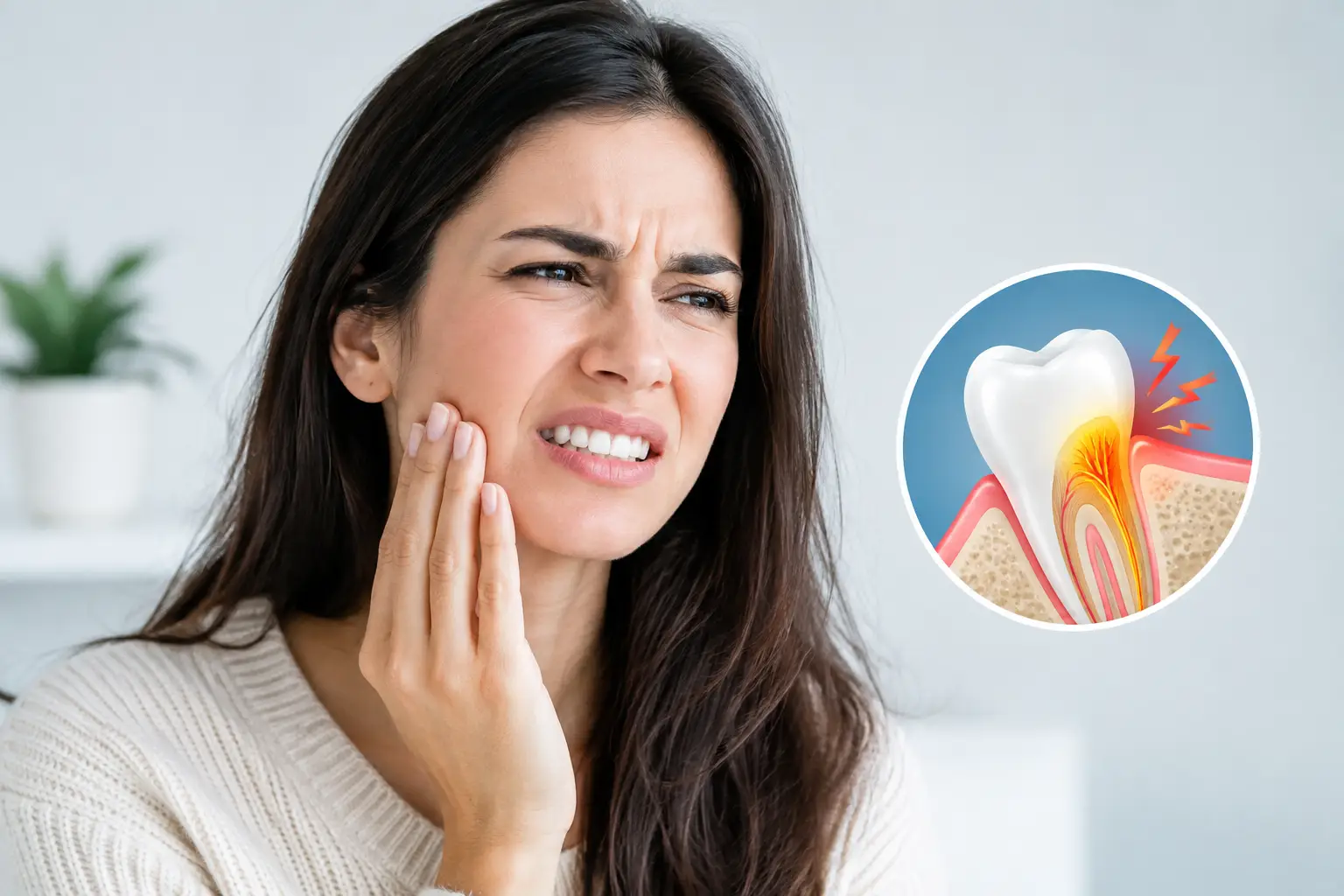
That sharp jolt from cold water, ice cream, or a breath of winter air can make an otherwise ordinary moment feel surprisingly uncomfortable. Understanding tooth sensitivity causes is the first step toward relief, because sensitivity is a symptom, not a diagnosis. Sometimes it comes from a small change in your daily routine. Other times, it is your tooth’s way of signaling that it needs professional attention.
Many people put off mentioning sensitive teeth because the discomfort comes and goes. But you do not need to simply avoid your favorite foods or brush around a painful area. A dental visit can help identify what is happening and determine the most comfortable, practical next step.
What tooth sensitivity feels like
Tooth sensitivity usually feels like a brief, sharp pain triggered by something hot, cold, sweet, sour, or acidic. It may affect one tooth, several teeth, or an entire area of your mouth. Some people notice it only when brushing or flossing, while others feel it when breathing cold air.
The sensation often begins when the protective outer layer of the tooth – enamel – has worn down or when the gums have pulled back and exposed the root surface. Beneath enamel and the root covering is dentin, a layer with tiny channels that lead toward the tooth’s nerve. When heat, cold, or pressure reaches those channels, the nerve can react with pain.
Sensitivity does not always mean there is a serious problem. However, a new symptom, pain that becomes stronger, or discomfort focused on one tooth deserves an examination.
Common tooth sensitivity causes
Enamel wear from acids or brushing
Enamel is strong, but it can gradually wear away. Frequent exposure to acidic foods and drinks, such as soda, sports drinks, citrus, wine, and some flavored sparkling waters, can soften the enamel surface. Acid reflux can have a similar effect, especially if it happens regularly or overnight.
Brushing too hard can also contribute. A firm toothbrush, aggressive side-to-side brushing, or brushing immediately after an acidic drink may wear at enamel and irritate the gumline over time. This does not mean you should brush less often. It means a gentle technique and a soft-bristled toothbrush matter.
Gum recession and exposed roots
Healthy gums cover the roots of your teeth. When gums recede, the root surface becomes exposed. Root surfaces are not protected by the same hard enamel that covers the visible part of the tooth, so they can be more sensitive to temperature and touch.
Gum recession can occur with gum disease, brushing too forcefully, natural changes with age, tobacco use, tooth grinding, or tooth positions that place extra pressure on the gums. It may be subtle at first. You might notice that a tooth appears longer, that there is a notch near the gumline, or that cold drinks suddenly bother an area that never used to hurt.
Cavities, worn fillings, and cracks
A cavity can allow bacteria and temperature changes to reach deeper into the tooth. Sensitivity to sweets is especially worth mentioning to your dentist, although it can have several causes. Older fillings may also wear, chip, or pull slightly away from the tooth, creating areas where sensitivity can develop.
A cracked tooth can be harder to recognize. Pain may appear when you bite down, when you release your bite, or when you drink something cold. The discomfort can be intermittent, which makes it tempting to wait. An exam and dental X-rays can help identify whether a crack, decay, or a restoration problem is involved.
Teeth grinding and clenching
Clenching or grinding, often during sleep, places repeated pressure on teeth. Over time, it can wear enamel, create small cracks, strain the jaw muscles, and make teeth more reactive. Morning jaw soreness, headaches, flattened tooth edges, or a partner hearing grinding at night can all be useful clues.
Treatment depends on the cause and severity. Some patients benefit from a custom night guard, while others may need an evaluation of bite forces, restorations, stress-related habits, or sleep concerns.
Recent dental treatment or whitening
It is common to have temporary sensitivity after a filling, crown, professional cleaning, or whitening treatment. Teeth may react for a few days while the area settles, particularly after work near the gumline or on a deeper cavity.
Whitening products can also cause short-term sensitivity, especially when used too frequently or left on longer than directed. If whitening becomes uncomfortable, pause treatment and ask your dental team what adjustment may be appropriate. More whitening is not always better for your smile or comfort.
Why the pattern of pain matters
When you describe sensitivity, details help your dental team narrow down the possible cause. Notice whether the pain is brief or lingering, whether it happens with cold, heat, sweets, biting, or brushing, and whether it affects a specific tooth.
A quick sting that stops once the cold drink is gone can be consistent with exposed dentin. Pain that lingers after hot or cold temperatures, wakes you from sleep, or becomes spontaneous may point to inflammation inside the tooth. That does not automatically mean you need a root canal, but it does mean you should schedule an evaluation promptly.
Pain when biting can be associated with a crack, a loose restoration, decay, or an issue with the way your teeth meet. Sensitivity near the gumline may be related to recession or gum inflammation. The pattern is helpful, but an examination is still the best way to get a clear answer.
What you can do before your appointment
A few simple changes can reduce irritation while you arrange care. Use a soft-bristled toothbrush and gentle, small circular motions along the gumline. Choose a toothpaste made for sensitive teeth and use it consistently. These products can help block the pathways in exposed dentin, but they usually need regular use for relief.
Try to limit frequent sipping of acidic beverages. If you do have something acidic, rinse with water afterward and wait about 30 minutes before brushing. Brushing immediately can rub softened enamel more easily. Drinking water throughout the day is a tooth-friendly choice for your mouth and your overall health.
If one area is sensitive, do not stop flossing altogether. Gentle daily flossing helps protect gum health, which is especially important when gum inflammation is part of the problem. Avoid using a toothpick, sharp object, or home repair material on a painful tooth. These can injure the gums or delay appropriate care.
Over-the-counter pain medication may be appropriate for some people, but it does not treat the underlying cause. Follow the label and check with a medical professional if you have health conditions, take other medications, or are unsure what is safe for you.
When sensitivity needs prompt dental care
Call a dental office soon if sensitivity lasts more than a few days, gets worse, or is interfering with eating and drinking. Same-day or urgent care is particularly appropriate if you have facial swelling, fever, a broken tooth, severe pain, a bad taste or drainage near a tooth, or pain after an injury.
For families, children should also be evaluated when they report ongoing tooth pain or avoid chewing on one side. Children may not always describe discomfort clearly, so changes in eating, sleep, or brushing habits can be meaningful.
At Katz Family Dental Care, our team can evaluate sensitive teeth with a careful examination and, when needed, digital X-rays. Depending on the cause, treatment may be as simple as preventive guidance, a sensitivity treatment, or a small filling. Other situations may call for gum care, a crown, root canal therapy, or treatment for a cracked tooth. The goal is to recommend the care that fits your specific tooth, your comfort, and your long-term oral health.
You deserve to drink a cold glass of water, enjoy a meal, and brush your teeth without bracing for pain. If sensitivity is becoming part of your daily routine, a timely dental visit can replace uncertainty with a clear plan and help you get back to feeling comfortable with your smile.