


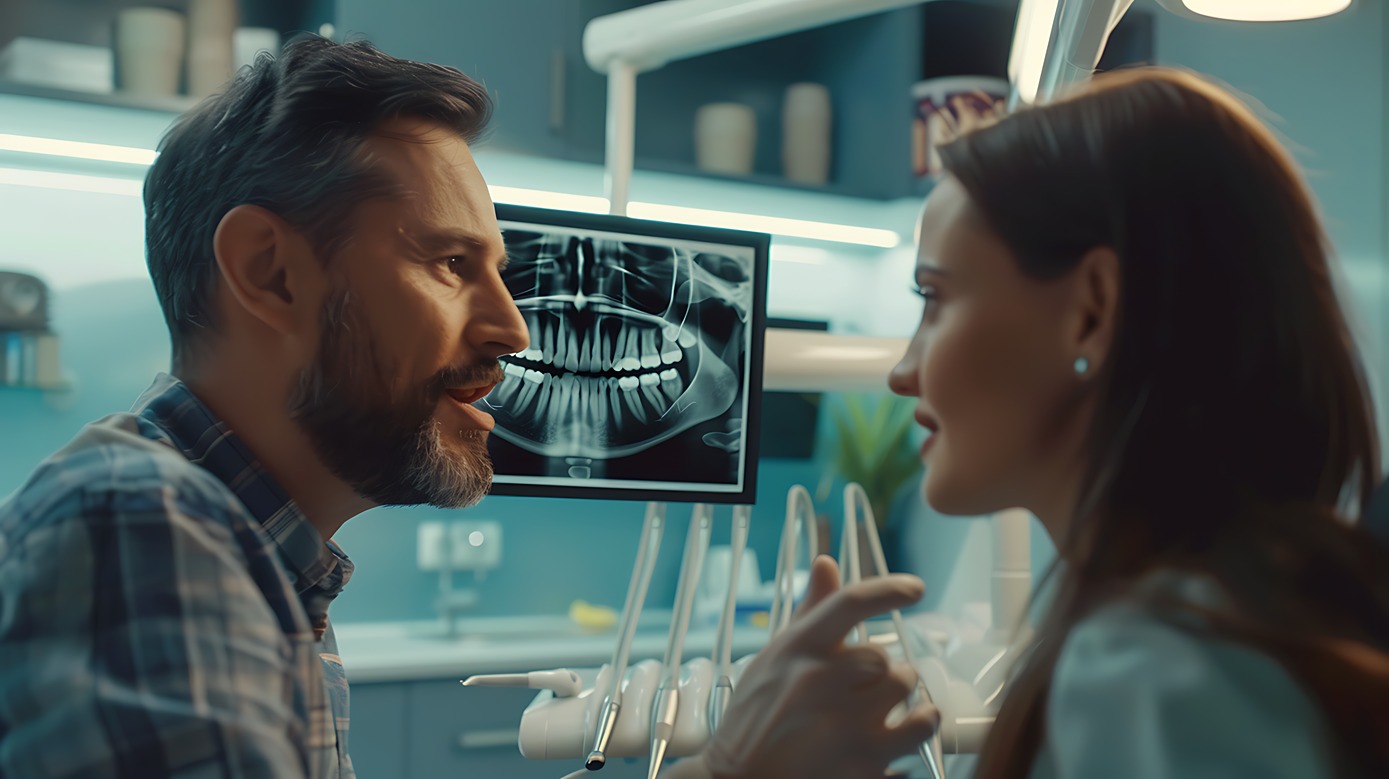
Dental emergencies often develop suddenly and create immediate discomfort that interferes with normal routines. Severe pain, swelling, cracked teeth, infections, or oral injuries may quickly affect speaking, eating, sleeping, and overall well-being. In many situations, delaying treatment can increase discomfort while allowing the underlying condition to become more complicated.
People sometimes assume dental symptoms will improve on their own, especially if the discomfort seems manageable initially. However, many emergency dental issues gradually worsen without professional care. Prompt evaluations often help stabilize the situation while reducing the risk of long-term damage.
Patients searching for an Emergency Dental Clinic in Berlin typically seeking fast relief and professional guidance in stressful circumstances. Immediate attention allows clinicians to quickly identify the source of the problem and begin treatment to protect both comfort and oral health.
Severe Tooth Pain Often Indicates Deeper Concerns
Persistent or intense tooth pain is one of the most common reasons patients seek emergency dental treatment. While mild sensitivity may occasionally result from temporary irritation, severe discomfort often points to infections, fractures, nerve involvement, or advanced decay.
Pain that disrupts sleep, eating, or daily concentration should never be ignored. In many cases, symptoms worsen gradually as inflammation or infection spreads deeper within the tooth.
Emergency evaluations help determine whether treatment may involve fillings, root canal therapy, restorations, or infection management. Addressing the problem earlier frequently reduces the need for more extensive procedures later.
Individuals seeking an Emergency Dental Clinic Berlin value practices that prioritize rapid evaluations and clear explanations in urgent situations.
Swelling and Oral Infections Require Immediate Attention
Facial swelling, gum tenderness, or pressure near a tooth may indicate infection developing beneath the surface. Dental infections can spread if untreated, which is why fast professional attention is especially important.
Abscesses may cause symptoms such as swelling, persistent pain, unpleasant taste, fever, or visible drainage near the affected area. These conditions should never be ignored because infections can eventually affect surrounding tissues and overall health.
Emergency treatment often focuses initially on reducing infection, alleviating discomfort, and protecting nearby structures before additional restorative care is completed.
At Burnside Dental Care, urgent evaluations may involve identifying infection sources quickly while discussing practical treatment options that support long-term oral stability.
Broken or Cracked Teeth Can Become More Serious Over Time
Teeth may crack unexpectedly due to sports injuries, accidents, nighttime grinding, or biting hard foods. Some fractures remain minor, while others expose deeper layers of the tooth and create significant discomfort.
Even small cracks deserve prompt evaluation because untreated fractures can gradually worsen. Structural damage may spread deeper into the tooth if left untreated, potentially necessitating more complex restorative procedures later.
Emergency dental care may involve bonding, crowns, root canal treatment, or additional restorative approaches, depending on the severity of the damage.
Patients visiting an Emergency Dental Clinic in Berlin often benefit from receiving quick guidance after unexpected injuries to help preserve affected teeth properly.
Knocked-Out Teeth Require Immediate Action
A knocked-out tooth is considered one of the most time-sensitive dental emergencies. Fast professional care significantly improves the likelihood of saving the tooth and successfully reattaching it.
If possible, the tooth should be handled carefully by the crown rather than the root. Keeping the tooth moist while traveling to the dental office may also temporarily help preserve important tissues.
Emergency evaluations allow clinicians to determine whether reimplantation is possible and assess surrounding structures for additional injuries. Delaying care may greatly reduce the chance of preserving the natural tooth.
Quick response after trauma often has a major impact on long-term oral outcomes and smile appearance.
Lost Fillings or Crowns Can Increase Tooth Vulnerability
Crowns, fillings, and other restorations occasionally loosen or fall out unexpectedly. While this may not always cause immediate severe pain, exposed tooth structures can quickly become sensitive or damaged.
Patients may notice discomfort while chewing, rough edges, or heightened sensitivity to hot and cold foods after losing a restoration. Prompt care helps reduce the likelihood of fractures or worsening structural problems.
Emergency evaluations determine whether restorations can be repaired or replaced while effectively stabilizing the teeth.
Preventive Dentistry Helps Reduce Emergency Situations
Although accidents cannot always be avoided, preventive care often reduces the likelihood of emergency dental problems. Routine evaluations allow clinicians to identify weakened restorations, untreated decay, or bite-related strain before urgent complications develop.
Wearing protective mouthguards during sports, avoiding chewing hard objects, and maintaining strong oral hygiene habits may also help reduce the risk of emergencies.
Patients who remain consistent with preventive care frequently experience fewer severe dental complications over time.
Immediate Care Can Protect Long-Term Oral Health
Dental emergencies can feel stressful and overwhelming, especially when symptoms appear suddenly. However, prompt professional treatment often improves comfort while reducing the risk of permanent damage.
Emergency dentistry today focuses on preserving teeth, restoring oral function, and relieving pain as efficiently as possible. Many patients really value the caring and attentive approach that Burnside Dental Care offers, especially during urgent dental situations. It makes them feel heard and supported when they need it most.
FAQs
What dental symptoms should be treated as emergencies?
Severe pain, swelling, infections, broken or knocked-out teeth, and bleeding are all situations that may require immediate dental attention.
Can a cracked tooth become worse if treatment is delayed?
Yes. Untreated cracks may deepen over time and eventually lead to more extensive structural damage.
What should I do if my tooth gets knocked out?
Handle the tooth carefully by the crown, keep it moist if possible, and seek emergency dental care immediately.
Is facial swelling from a tooth considered serious?
Swelling may indicate an infection and should be evaluated by a professional promptly, especially if accompanied by pain or fever.
Is facial swelling from a tooth considered serious?
Swelling may indicate an infection and should be evaluated by a professional promptly, especially if accompanied by pain or fever.
Is facial swelling from a tooth considered serious?
Routine preventive visits, protective mouthguards, good oral hygiene habits, and regular evaluations at Burnside Dental Care may help reduce the risk of emergency dental complications.