


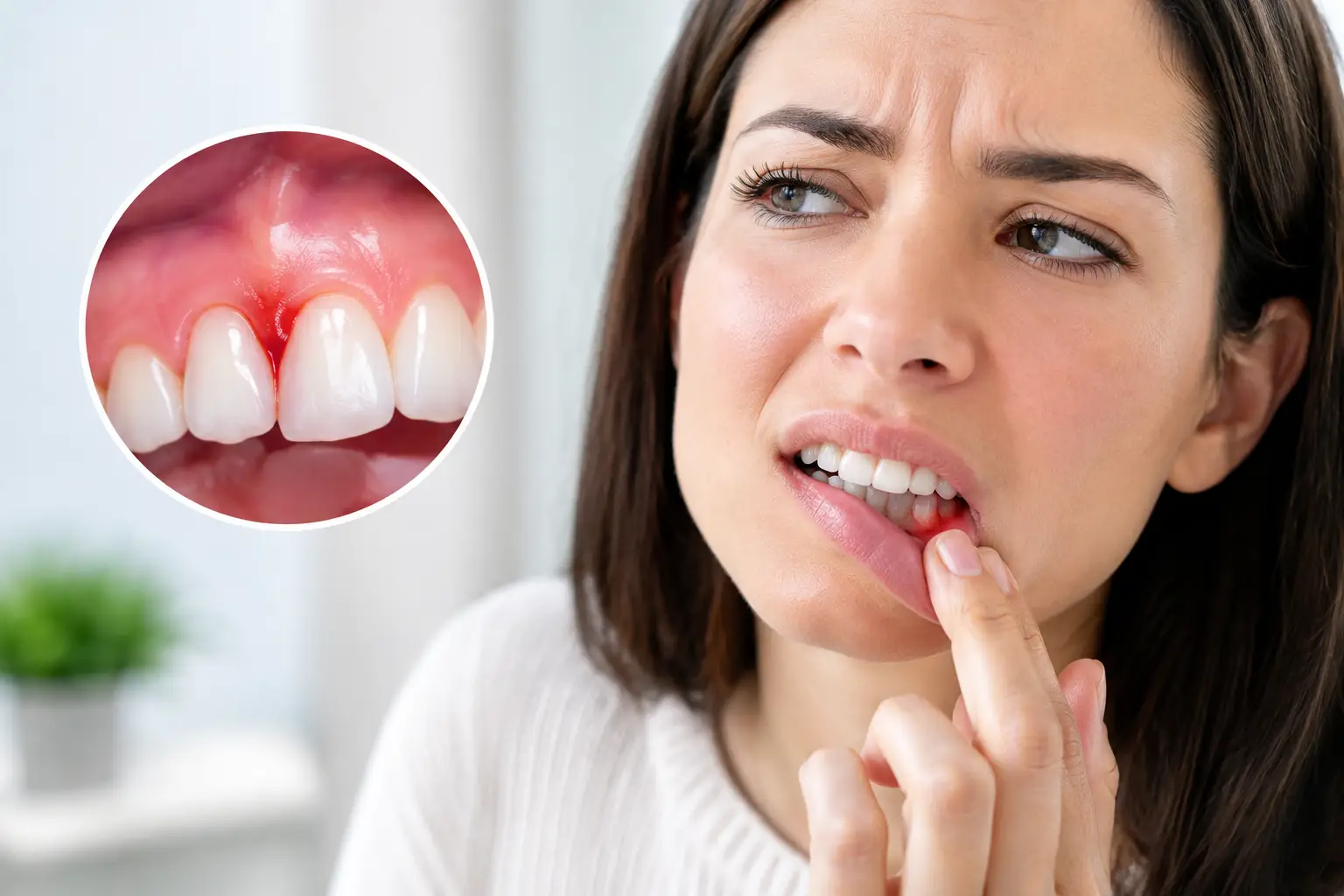
A pink streak in the sink after brushing can be unsettling, especially when it seems to happen without warning. If you are asking why gums bleed, the most common answer is irritation from plaque buildup along the gumline. The good news is that bleeding gums are often treatable, particularly when the cause is identified early. They are also a sign worth taking seriously rather than brushing off.
Healthy gums generally should not bleed during normal brushing or flossing. Occasional bleeding can happen after being too rough with a toothbrush or restarting flossing after a long break. But if it continues, recurs, or comes with swelling, tenderness, or bad breath, it is time to give your gums some attention.
Why Gums Bleed: The Most Common Cause
Plaque is a sticky film of bacteria that forms on teeth throughout the day. When it is not removed thoroughly, plaque collects where teeth and gums meet. Your immune system responds to the bacteria, and the gum tissue can become inflamed. This early stage of gum disease is called gingivitis.
Gingivitis may cause gums to look red or puffy, feel tender, bleed when you brush or floss, or leave a lingering bad taste in your mouth. It does not always hurt, which is one reason people can overlook it. A professional cleaning and consistent home care can often reverse gingivitis before it causes deeper problems.
When plaque hardens into tartar, regular brushing and flossing cannot remove it. Tartar creates a rough surface that holds even more bacteria near the gums. A dental hygienist or dentist can remove this buildup during a professional cleaning and check for signs that inflammation has progressed beyond gingivitis.
Other Reasons Your Gums May Bleed
Plaque-related gingivitis is common, but it is not the only possibility. A new toothbrush with firm bristles, aggressive brushing, or using a flossing tool too forcefully can irritate gum tissue. Choose a soft-bristled brush and use small, gentle motions at the gumline rather than scrubbing back and forth.
Bleeding may also occur when you begin flossing regularly after not flossing for a while. If plaque has been sitting between the teeth, the gums may be inflamed and bleed at first. Continue gently cleaning between your teeth each day. Bleeding should improve within about one to two weeks, not worsen.
Hormonal changes can make gums more sensitive to plaque. Some people notice bleeding during pregnancy, puberty, menopause, or certain points in their menstrual cycle. Good daily hygiene and dental cleanings remain especially valuable during these times.
Dry mouth, smoking or vaping, poorly fitting dental appliances, and crowded teeth can also make it harder to keep the gumline clean. Diabetes and other health conditions may affect how the body responds to inflammation or heals. Certain medications, including blood thinners, can make bleeding easier to notice. Do not stop or change a prescribed medication because of gum bleeding. Instead, share your medication list and symptoms with your dentist and medical provider.
Less commonly, frequent or unexplained bleeding can be connected to a medical issue that needs prompt evaluation. If you also have easy bruising, frequent nosebleeds, severe fatigue, or bleeding elsewhere, contact your physician as well as your dentist.
Why Brushing Less Usually Makes It Worse
When gums bleed, many people avoid the area because they assume brushing or flossing is causing damage. That response is understandable, but it can allow more plaque to remain at the gumline. In many cases, the bleeding is a sign that the gums need more consistent cleaning, not less.
The key is technique. Brush twice a day for two minutes with a soft-bristled toothbrush and fluoride toothpaste. Angle the bristles gently toward the gumline and clean every surface of each tooth. Clean between your teeth once a day with floss, interdental brushes, or another dentist-recommended tool. If you have bridges, implants, braces, or wider spaces between teeth, the best tool may vary.
Mouthwash can be a useful addition for some patients, but it does not replace brushing, flossing, or professional cleanings. A dentist can recommend an option that fits your needs, including whether a therapeutic rinse is appropriate.
When Bleeding Gums Need a Dental Visit
Schedule a dental appointment if your gums bleed regularly, if the bleeding lasts longer than a week or two after improving your daily routine, or if it occurs without brushing or flossing. A visit is also a good idea if you notice persistent bad breath, gum recession, loose teeth, pain when chewing, pus near the gums, or changes in the way your teeth fit together.
These symptoms can point to periodontitis, a more advanced form of gum disease. Periodontitis affects the tissues and bone that support the teeth. It cannot be reversed in the same way as gingivitis, but it can be treated and managed. Earlier care gives you more options to protect your natural teeth.
At a dental visit, the team can examine your gums, measure the spaces between teeth and gums, look for tartar, and take X-rays if needed. This helps distinguish a simple irritation from gum disease or another concern. Depending on what is found, treatment may range from a routine cleaning and home-care guidance to a deeper cleaning beneath the gumline.
For patients who have delayed care because of anxiety, cost questions, a busy family schedule, or a past difficult experience, bringing up those concerns is part of the conversation. A comfortable, step-by-step plan is often easier than waiting until symptoms become more complicated.
A Simple Routine for Healthier Gums
Small habits make a real difference. Brush in the morning and before bed, clean between your teeth daily, and replace your toothbrush or electric brush head about every three months or sooner if the bristles are frayed. Keep regular preventive visits, even when your mouth feels fine. Gum disease can develop quietly, and routine exams allow changes to be caught early.
Nutrition matters, too. A balanced diet supports your overall health, while frequent sugary snacks and drinks feed the bacteria that contribute to tooth decay and plaque buildup. Drinking water after meals can help rinse away food particles, especially when brushing is not immediately possible.
If you use tobacco products, quitting can benefit your gums as well as your general health. Tobacco can mask some signs of gum inflammation, so the absence of visible bleeding does not always mean the gums are healthy. Your dental team can help you understand what they see during an exam.
What Parents Should Know About Bleeding Gums
Children and teens can have bleeding gums, too. In younger children, it may be related to missed brushing around the gumline, new teeth coming in, or difficulty cleaning crowded areas. Teenagers may experience more gum sensitivity during puberty, and braces can create extra places for plaque to hide.
Help children brush for a full two minutes and encourage them to clean along the gumline, not just the chewing surfaces. Parents may need to assist younger children or check their brushing until their hand skills are fully developed. If a child has ongoing bleeding, swelling, mouth pain, or a sore that does not heal, schedule an exam rather than assuming it will go away on its own.
Bleeding gums are your mouth’s way of asking for attention, not a reason for embarrassment. With gentle daily care and timely professional guidance, most patients can take meaningful steps toward healthier gums and a more comfortable smile. When you are with a dental team you trust, asking questions and getting back on track can feel much easier.