


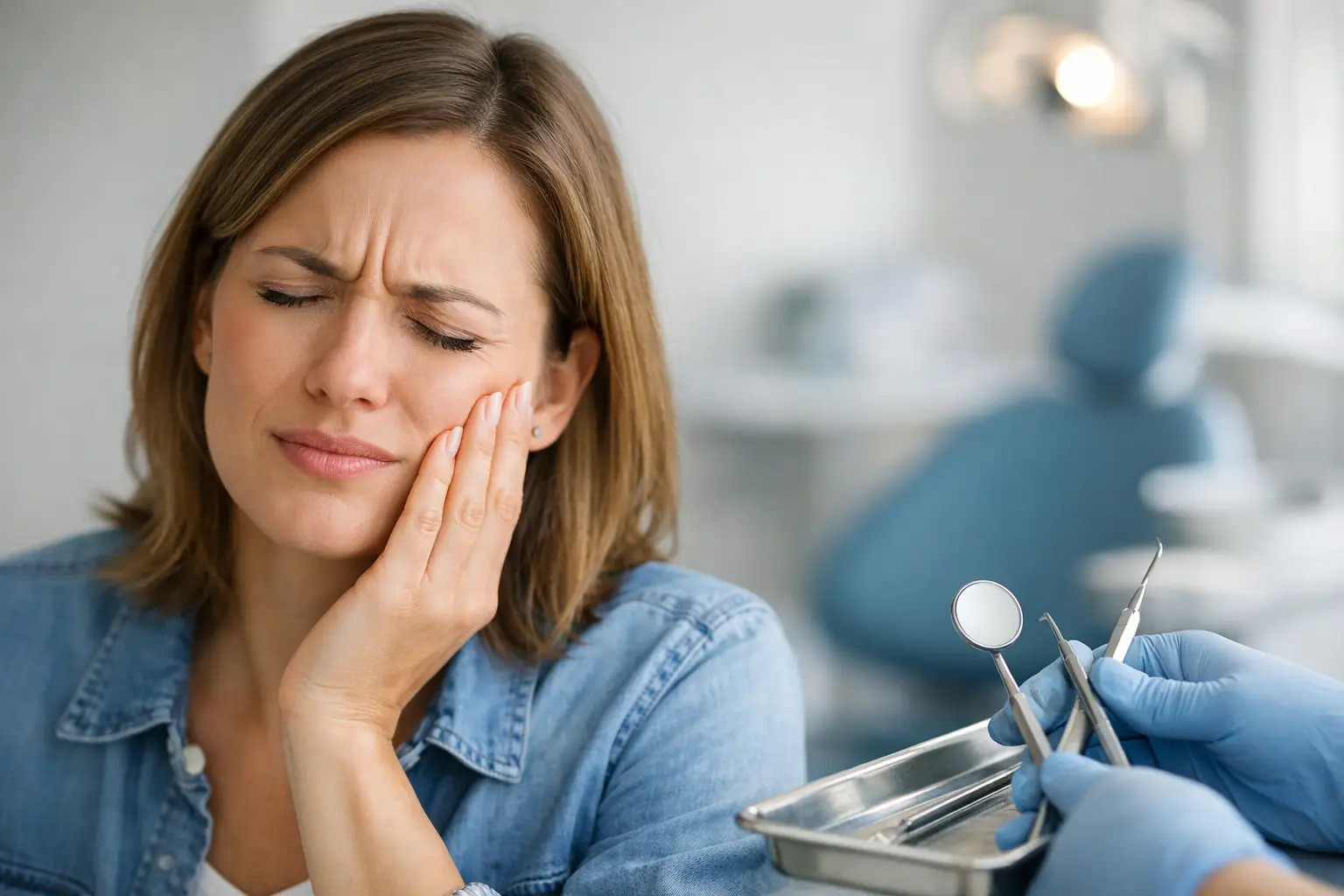
A tooth that hurts when you sip coffee, bite into lunch, or wake up in the middle of the night can make everyday life feel much harder. If you are wondering why teeth hurt, the answer may be as simple as temporary sensitivity or as urgent as an infection that needs prompt treatment. The location, timing, and type of pain all give your dentist helpful clues.
Tooth pain is your body’s way of asking for attention. It does not always mean you need a major procedure, but it is rarely a good idea to wait and hope it goes away on its own. A dental visit can identify the cause, relieve discomfort, and help protect your natural tooth whenever possible.
Why Teeth Hurt: Common Causes of Tooth Pain
Teeth are made to handle daily chewing, but the inner tissues of a tooth are sensitive. When decay, damage, gum disease, or pressure reaches those tissues, pain can follow. Here are some of the most common reasons patients experience tooth discomfort.
Tooth decay
A cavity begins when bacteria in plaque create acids that weaken the enamel. Early decay may not hurt at all. As it grows deeper, you may notice sensitivity to sweets, cold drinks, or heat. Pain when biting can develop when decay reaches more of the tooth or affects an existing filling.
A small cavity is often simpler to treat than a larger one. That is one reason regular exams and cleanings matter even when your teeth feel fine.
A cracked, chipped, or worn tooth
A tooth can crack from biting something hard, clenching your jaw, a sports injury, or simply years of normal wear. Cracks are not always easy to see in a mirror. Some cause a sharp pain when you bite down or when you release your bite, while others react strongly to cold temperatures.
A chipped tooth may be painless if only the outer enamel is affected. If the chip exposes deeper layers, however, it can be sensitive and may need a filling, bonding, or a crown for protection. Treatment depends on the size and location of the damage.
Gum irritation or gum disease
Sore, swollen, or bleeding gums can make it seem like your teeth hurt. Plaque and tartar buildup along the gumline may cause inflammation. When gum disease progresses, it can affect the tissues and bone that hold teeth in place, sometimes causing tenderness, loose teeth, or discomfort while chewing.
Gum problems do not always cause significant pain in the beginning. That quiet progression is another reason to bring bleeding gums, persistent bad breath, or changes in your bite to your dental team’s attention.
An infected tooth
When bacteria enter the inside of a tooth through deep decay, a crack, or trauma, the pulp can become inflamed or infected. This may cause throbbing pain, prolonged sensitivity to hot or cold temperatures, pain that interrupts sleep, or swelling around the tooth or face.
A tooth infection needs dental care. Depending on the condition of the tooth, treatment may include root canal therapy to remove the infection and preserve the tooth, or an extraction if the tooth cannot be saved. Antibiotics may sometimes be part of care, but they do not remove the source of the infection on their own.
Teeth grinding and jaw tension
Many people clench or grind their teeth without realizing it, especially during sleep or stressful periods. This can leave teeth feeling sore, sensitive, or achy in the morning. You may also notice jaw tightness, headaches, worn tooth edges, or broken fillings.
Your dentist can check for signs of grinding and discuss ways to protect your teeth. In some cases, a custom nightguard can reduce the pressure placed on teeth while you sleep.
Sensitivity from exposed roots or enamel wear
If cold water, ice cream, or a breath of winter air causes a quick, sharp feeling, you may have tooth sensitivity. Receding gums can expose root surfaces, while brushing too aggressively, acidic foods and drinks, or grinding can wear down protective enamel.
Sensitivity is common, but it still deserves an evaluation if it is new, worsening, or limited to one tooth. A dentist can rule out decay or a crack before recommending options such as fluoride treatment, a desensitizing toothpaste, bonding, or protection for an exposed area.
Problems outside the tooth
Not all facial pain comes from a tooth. Sinus pressure can make upper back teeth feel tender, particularly during a cold or allergy flare-up. Jaw joint concerns can create pain around the teeth, ears, and temples. Occasionally, pain from another area of the face can feel like a toothache.
That is why an exam matters. The goal is not to guess, but to find the true source of the discomfort and recommend care that fits your needs.
What the Type of Tooth Pain May Be Telling You
The way a tooth hurts can be useful information. Brief sensitivity to cold may point to enamel wear, a small cavity, or gum recession. A sharp pain while chewing may suggest a crack, a loose filling, or decay. Lingering pain after heat or cold, especially when it wakes you up, can be a sign that the tooth’s inner nerve is irritated.
Pain that comes and goes should not be ignored simply because it settles down. Some dental problems are intermittent at first. A tooth may stop hurting temporarily even while decay or infection continues beneath the surface.
Before your appointment, make a note of which tooth seems involved, what triggers the pain, when it began, and whether you have swelling, fever, or a bad taste in your mouth. Those details can help your dental team assess the situation efficiently.
What You Can Do Until You Are Seen
A prompt dental appointment is the best next step for ongoing tooth pain. In the meantime, gentle care can help you stay more comfortable. Rinse your mouth with warm salt water, brush carefully around the area, and floss gently if food may be caught between teeth. Choose softer foods and try to chew on the other side of your mouth.
Over-the-counter pain medicine may help when used exactly as directed on the label and when it is safe for you based on your health history. Do not place aspirin, alcohol, or other substances directly on a painful tooth or gums. They can burn the tissue and do not treat the cause.
If cold or heat worsens the pain, avoid those triggers until you are evaluated. A cold compress on the outside of the cheek may ease swelling or discomfort after an injury. Do not use heat on facial swelling, as it can sometimes make an infection-related problem worse.
When Tooth Pain Needs Same-Day Attention
Some dental concerns should be addressed as soon as possible. Contact a dentist for a same-day emergency visit if you have severe pain, a broken tooth, a lost filling or crown with discomfort, or swelling around a tooth.
Seek urgent medical care right away if you have any of the following:
- Swelling that spreads to your face, jaw, eye area, or neck
- Trouble breathing, swallowing, or opening your mouth normally
- Fever along with facial swelling or severe tooth pain
- Uncontrolled bleeding after a dental injury or extraction
These symptoms can signal a serious infection or injury that should not wait. If you are unsure whether your symptoms are urgent, call your dental office and describe what you are experiencing.
How a Dentist Finds the Cause of Tooth Pain
A comfortable dental visit starts with listening. Your dentist will ask about your symptoms, examine the tooth and surrounding gums, and may use X-rays to look for decay, infection, bone changes, or problems below an existing restoration. They may also check how the tooth responds to temperature or gentle pressure.
From there, treatment can be tailored to the cause. A filling may treat a cavity, while a crown may strengthen a damaged tooth. Root canal therapy can often save a tooth with an infected or inflamed pulp. Gum treatment, a nightguard, or an adjustment to a restoration may be the right answer in other situations.
At Katz Family Dental Care, our warm-hearted team helps patients of all ages understand what is causing their discomfort and what to expect next. Whether your pain is mild, sudden, or keeping you from sleeping, you deserve clear answers and care that helps you feel at ease.
Tooth pain is not something you need to push through alone. Calling early gives you the best chance to stop the problem, protect your smile, and get back to eating, sleeping, and smiling comfortably.